
Jobs in Museum Curation and Cultural Heritage Preservation
Museums are known for their ability to preserve and showcase our cultural heritage. They hold a special place in our society as they offer a glimpse into the past and help us better understand our present. Museum curation is a vital part of this preservation process as it involves carefully selecting, organizing, and presenting artifacts and artworks. This field combines a passion for history with a knack for organization and storytelling. If you are interested in a career that allows you to use your love for culture and history, then a job in museum curation and cultural heritage preservation may be the perfect fit for you.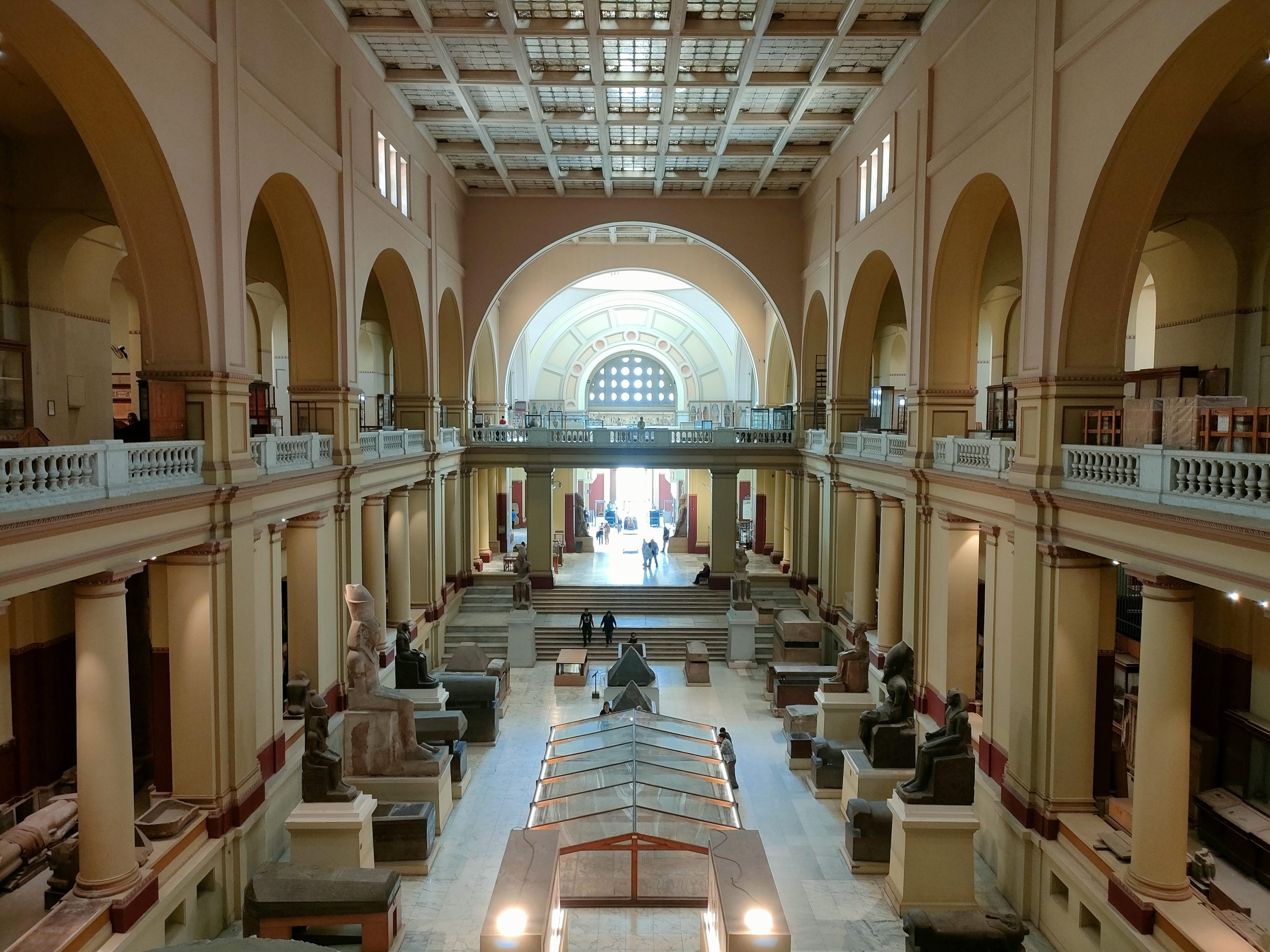
What is Museum Curation?
Museum curation is the process of managing and presenting collections of artifacts, artworks, and other objects of cultural or historical significance. It involves various tasks such as acquiring, researching, cataloging, preserving, and displaying these objects. The goal of museum curation is to educate and inspire the public by creating meaningful and engaging exhibitions. Museum curators work in all types of museums, including art, history, and science museums, as well as galleries, heritage sites, and cultural centers.
The Role of a Museum Curator
The job of a museum curator is multi-faceted and requires a diverse set of skills and knowledge. While the specific duties may vary depending on the type and size of the museum, some of the common tasks include:
Acquisition and Collection Management
One of the core responsibilities of a museum curator is to acquire and manage collections. This involves sourcing new artifacts or artworks, evaluating their significance and authenticity, and negotiating the terms of acquisition. Once an item is acquired, the curator must ensure its proper cataloging, storage, and conservation. They also have to regularly assess and update the collection to ensure its relevance and condition.
Research and Documentation
Museum curators conduct in-depth research on the objects in their collection to identify their historical and cultural context. This information is then used to create labels, text panels, and other educational materials for exhibitions. Curators also publish scholarly articles and papers, contribute to academic conferences, and collaborate with other institutions for research projects.
Exhibition Planning and Design
Curators are responsible for creating engaging exhibitions that convey a cohesive narrative and connect with the audience. They work closely with designers, educators, and other museum staff to develop exhibition themes, select objects, and design the layout and display. Curators also write exhibition texts and select multimedia elements to enhance the overall visitor experience.
Public Programming and Education
Museum curators also play a key role in developing and delivering educational programs for the museum’s visitors. They create guided tours, lectures, workshops, and other interactive activities to engage the public with the collections. Curators are also responsible for training and supervising docents and other museum educators.
Collaborations and Partnerships
Curators often collaborate with other museums, universities, and scholars to conduct research, organize exhibitions, and exchange knowledge and resources. They also establish partnerships with donors, sponsors, and other stakeholders to acquire new objects and fund museum projects.
Requirements for Museum Curation Jobs
To become a museum curator, you typically need a master’s degree in museum studies, art history, or a related field. Some employers may also require a Ph.D. in a subject related to their collections. Experience in research, collection management, and exhibition design is also highly valued. Curators should have excellent communication, organizational, and research skills, as well as attention to detail and a passion for cultural preservation.
Jobs in Cultural Heritage Preservation
Cultural heritage preservation is closely related to museum curation, as it involves protecting and conserving our cultural and historical treasures. While museum curation focuses on presenting these objects to the public, cultural heritage preservation involves protecting them from natural and human-induced damage or deterioration. There are various career options in this field, including:
Conservators
Conservators are responsible for preserving and restoring objects in museums, libraries, archives, and other cultural institutions. They use specialized techniques and materials to repair and prevent damage to paintings, sculptures, documents, and other artifacts.
Archivists
Archivists are responsible for collecting, organizing, and preserving historical records and documents. They work in archives, libraries, government agencies, and other organizations to ensure the safekeeping of important documents and make them accessible to the public.
Heritage Managers
Heritage managers are responsible for the overall management of historic sites, landmarks, and cultural landscapes. They work to preserve and promote these locations, often using educational and outreach programs to raise awareness and engage the public.
In Conclusion
If you have a love for history, culture, and art, a career in museum curation and cultural heritage preservation could be the perfect fit for you. These jobs allow you to use your passion to educate and inspire others and contribute to preserving our rich cultural heritage for future generations.
By combining your love for culture with the required skills and qualifications, you can build a successful and fulfilling career in this field. So, start exploring job opportunities at museums, galleries, and other cultural institutions, and take the first step towards a career in museum curation and cultural heritage preservation.