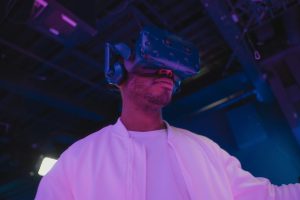
The Role of Ambient Computing in Invisible Interaction
Ambient computing and invisible interaction are two concepts that have gained significant attention in recent years. With the rapid advancements in technology, devices and machines are becoming increasingly integrated into our daily lives. The emergence of ambient computing has further enhanced this integration, allowing for a seamless and natural interaction between humans and technology. In this article, we will explore the role of ambient computing in invisible interaction and how it is transforming the way we interact with our surroundings.
The Rise of Ambient Computing
Ambient computing refers to the concept of seamlessly integrating technology into our environment to create a more natural and intuitive way of interacting with it. It involves creating an ecosystem of devices, sensors, and applications that work together harmoniously to provide a personalized and context-aware experience for users.
The rise of ambient computing can be attributed to the growing popularity of smart devices, such as smartphones, smart home devices, and wearables. These devices are equipped with sensors that can collect data from their surroundings, enabling them to understand user behavior and preferences. This data is then used to deliver personalized and relevant information and services to users, creating a more efficient and effortless interaction.
The Concept of Invisible Interaction
Invisible interaction, on the other hand, refers to the seamless and natural way of interacting with technology without the need for a traditional user interface, such as a screen or a keyboard. It involves using various forms of user input, such as voice commands, gestures, and eye movements, to control devices and access information.
The main goal of invisible interaction is to make technology less obtrusive, allowing users to focus on the task at hand without being distracted by screens or buttons. This type of interaction is especially useful in scenarios where traditional interfaces are not feasible or convenient, such as when driving or performing physical tasks.
The Role of Ambient Computing in Invisible Interaction
The integration of ambient computing in invisible interaction has revolutionized the way we interact with technology. With ambient computing, devices are able to gather data from our surroundings and understand our habits, preferences, and context. This information is then used to deliver a more personalized and intuitive interaction with users.
For instance, smart homes equipped with ambient computing technology can automatically adjust the lighting and temperature based on the user’s preferences and past behavior. This creates a more seamless and effortless experience, eliminating the need for manual adjustments.
Invisible interaction in ambient computing also enables devices to anticipate users’ needs and automate tasks. For example, a wearable device equipped with ambient computing technology can detect when the user is exercising and automatically start a workout playlist.
Benefits of Ambient Computing in Invisible Interaction
The integration of ambient computing and invisible interaction offers numerous benefits, including:
1. Personalization
With ambient computing, devices are able to understand user behavior and preferences and deliver a more personalized experience. This creates a sense of familiarity and comfort for users, making the interaction more natural and intuitive.
2. Efficiency
By automating tasks and anticipating user needs, ambient computing in invisible interaction makes interactions more efficient and effortless. This saves users time and effort, allowing them to focus on other tasks.
3. Seamless Integration
Ambient computing enables devices and technologies to seamlessly integrate into our environment, creating a more cohesive and connected ecosystem. This eliminates the need for multiple devices or interfaces, making the interaction more seamless and natural.
4. Accessibility
Invisible interaction allows for a more inclusive and accessible interaction with technology. People with disabilities or limited mobility can benefit from voice commands, gestures, and other forms of user input, making technology more accessible to a wider audience.
The Future of Ambient Computing and Invisible Interaction
The potential of ambient computing in invisible interaction is immense, and we are only scratching the surface of what it can achieve. With the advancements in artificial intelligence and machine learning, ambient computing is expected to become even more intelligent and intuitive, enabling devices to understand and anticipate our needs and preferences better.
The rise of the Internet of Things (IoT) and 5G technology will also play a crucial role in the evolution of ambient computing and invisible interaction. With more devices connected and capable of collecting and processing data, the possibilities for seamless and natural interaction are endless.
Conclusion
Ambient computing and invisible interaction have transformed the way we interact with technology, making it more natural, intuitive, and effortless. With the potential to personalize experiences, increase efficiency, and improve accessibility, the integration of ambient computing in invisible interaction is undoubtedly the way forward in the ever-evolving world of technology.