
Exploring the Capabilities of Handheld Gaming Devices Today
As technology continues to advance at a rapid pace, it’s no surprise that handheld gaming devices have become a staple for gamers of all ages. These portable devices allow users to access their favorite games on-the-go, providing both convenience and entertainment. But with the ever-growing market and numerous options available, it can be overwhelming to keep up with the capabilities of handheld gaming devices today. In this article, we’ll explore the features and functions of these devices and how they have evolved over the years.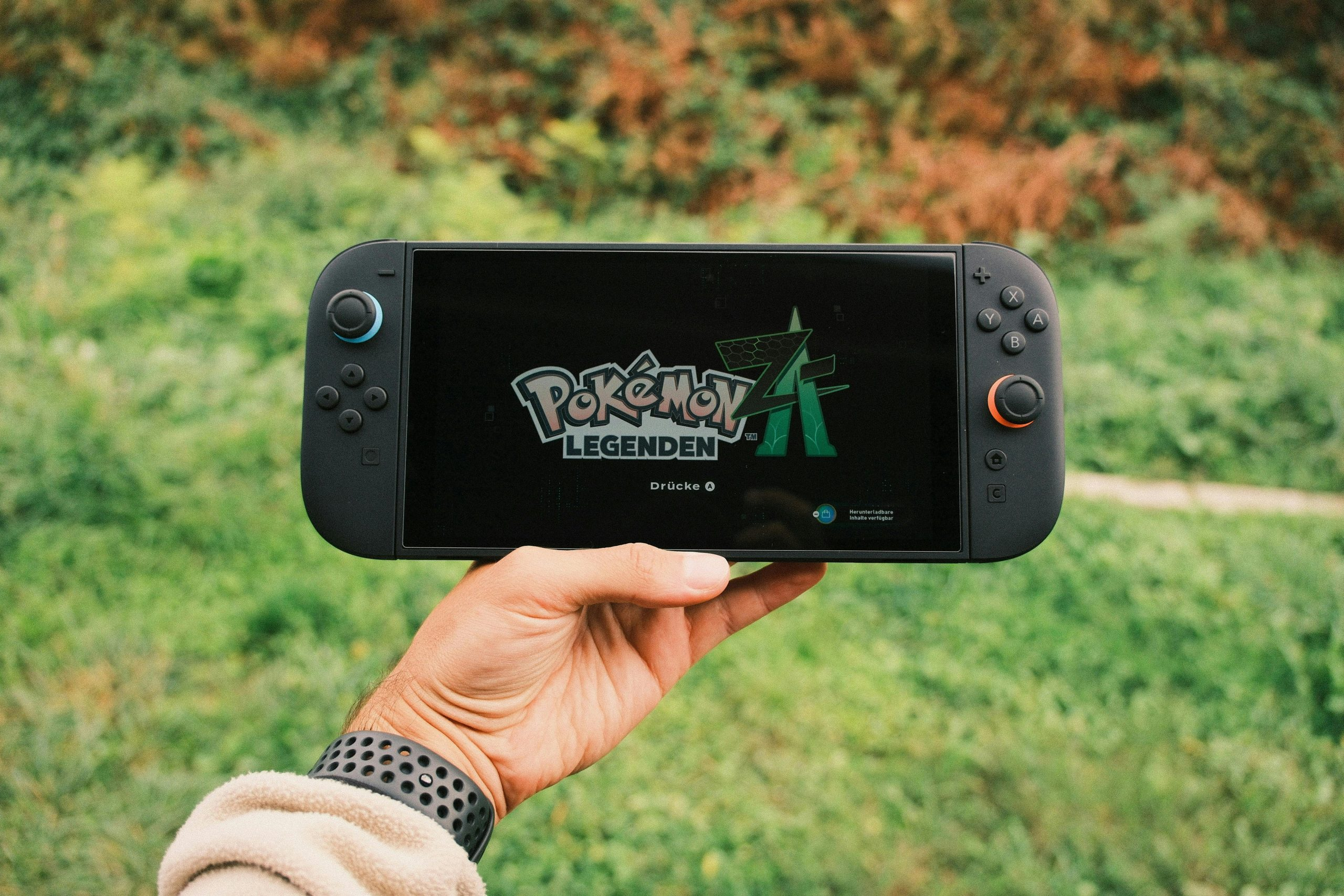
The Evolution of Handheld Gaming Devices
The first handheld gaming device can be traced back to 1976 when Mattel released their handheld electronic game, ‘Auto Race’. Since then, there have been numerous advancements in technology, leading to the creation of more sophisticated handheld gaming devices.
In the 1980s, Nintendo introduced their iconic Game & Watch series, which featured LCD screen games. This was followed by the release of the first-ever portable gaming console, the Nintendo Game Boy, in 1989. This device set the standard for future handheld gaming devices with its monochromatic graphics, D-pad, and ability to play popular games like Tetris.
In the 2000s, Sony and Nintendo began competing in the portable gaming market with their respective devices, the PlayStation Portable (PSP) and Nintendo DS. These devices offered advanced graphics, touch screens, and innovative features like dual screens and wireless connectivity.
Fast forward to today, and we now have a vast array of handheld gaming devices available on the market, including the PlayStation Vita, Nintendo Switch, and mobile devices like smartphones and tablets. These devices have evolved to offer high definition graphics, immersive gameplay, and a plethora of features.
The Capabilities of Handheld Gaming Devices Today
Improved Graphics and Performance
One of the significant advancements in handheld gaming devices is the improvement in graphics and performance. Older devices that were limited to monochromatic or basic color graphics have now given way to high definition screens and advanced graphics processing capabilities. This has resulted in a more immersive gaming experience for users.
In addition, the performance of handheld gaming devices has also improved significantly. With more powerful processors and memory, these devices can now handle complex and demanding games without compromising on performance.
Enhanced Gameplay Features
Handheld gaming devices today are not just limited to playing games. They offer a wide range of features that enhance gameplay and make the experience more enjoyable. For example, the Nintendo Switch allows gamers to play on their TV and then seamlessly transition to portable mode without interrupting their progress. The PlayStation Vita offers features like remote play, allowing users to stream games from their PlayStation 4 to their handheld device.
Furthermore, handheld gaming devices also offer built-in cameras, microphones, and touch screens, giving developers the ability to create unique gameplay experiences using these features.
Connectivity Options
The advancements in wireless technology have also allowed handheld gaming devices to offer a variety of connectivity options. This includes both local and online play. With features like Wi-Fi and Bluetooth, gamers can now connect and play with others locally or online, providing a more social gaming experience.
The Future of Handheld Gaming Devices
The capabilities of handheld gaming devices are continuously evolving, and the possibilities for the future are endless. With the rise of virtual and augmented reality, we can expect to see more advanced features and gameplay experiences in handheld devices.
Developers are also exploring the potential of cloud-based gaming for handheld devices, which would allow users to access high-end games without the need for expensive hardware. This would not only open up opportunities for more players to join in, but it would also reduce the cost of owning a handheld gaming device.
Conclusion
Handheld gaming devices have come a long way since their inception, and they continue to amaze us with their capabilities. With improved graphics and performance, enhanced gameplay features, and a variety of connectivity options, they have undoubtedly come a long way. As technology continues to evolve, we can only expect these devices to offer more immersive and innovative experiences for gamers all around the world.