
How Augmented Reality Will Transform Your In-Store Experience
Remember the days when shopping in brick-and-mortar stores meant aimlessly browsing through racks and shelves, hoping to find what you were looking for? With the rise of online shopping, traditional retail stores have struggled to keep up with the convenience and variety offered by e-commerce. But just when it seemed like the future of physical retail was dimming, a new technology emerged that has the power to revolutionize the in-store shopping experience. Welcome to the world of augmented reality (AR).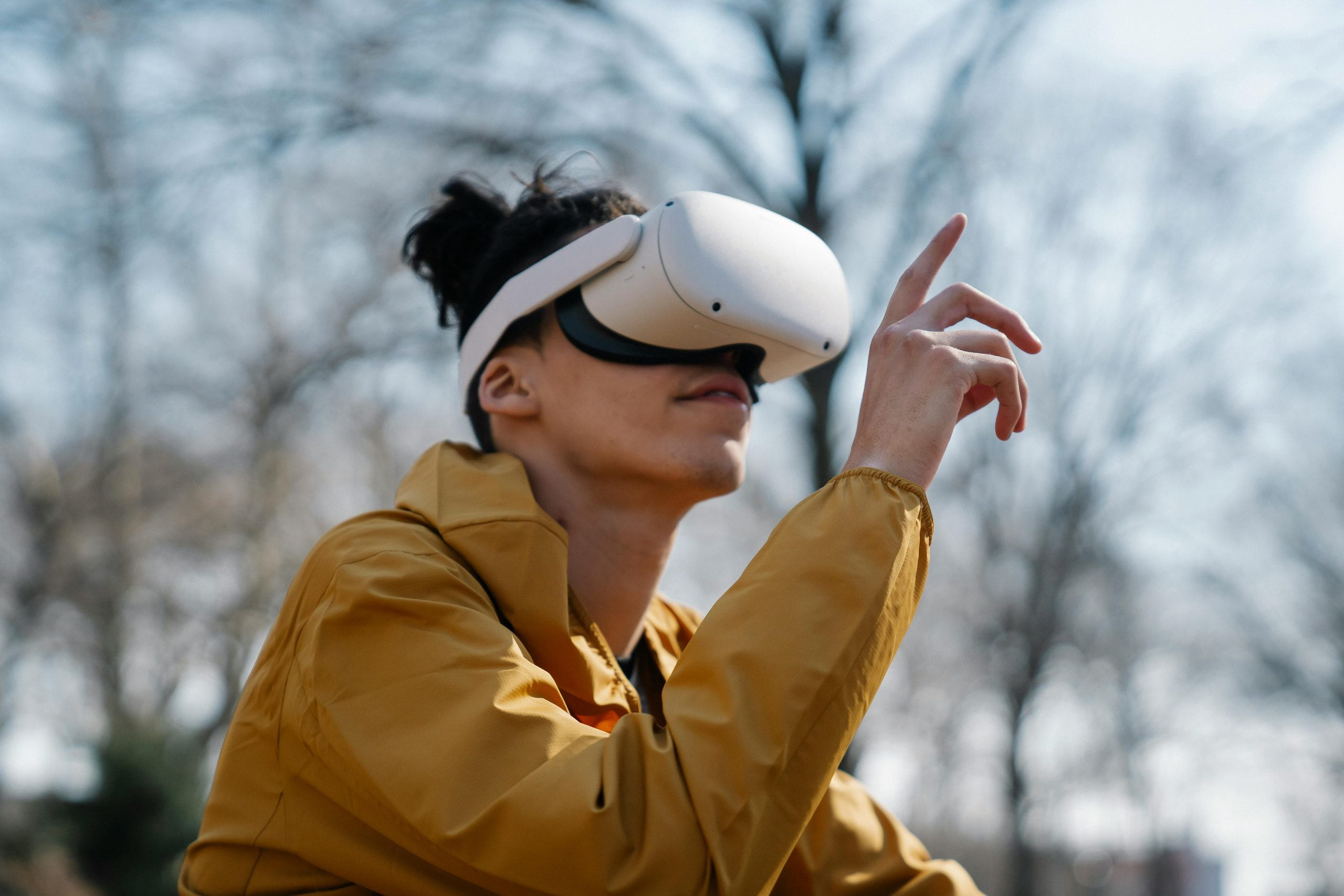
The Basics of Augmented Reality
In simple terms, augmented reality involves using technology to superimpose digital information or virtual objects onto the real world. This allows for a blended experience where users can see and interact with both the physical and digital worlds simultaneously. While the concept of augmented reality has been around for decades, it has only recently gained widespread attention thanks to advancements in mobile technology and the growing popularity of AR-enabled devices such as smartphones and smart glasses. AR applications are already being used in industries such as gaming, education, healthcare, and advertising. And now, it is beginning to transform the way we shop.
The Current State of In-Store Shopping
Despite the popularity of online shopping, physical stores still serve as a significant source of revenue for retailers. However, with the rise of e-commerce, many customers have come to expect a more personalized and immersive shopping experience when they visit a physical store. Traditional retailers are constantly looking for ways to bridge the gap between the virtual and physical retail worlds in order to stay relevant and attract more customers. And this is where augmented reality comes in.
Personalization and Enhanced Product Information
One of the biggest advantages of augmented reality in retail is the ability to provide personalized shopping experiences for customers. By using AR, retailers can create virtual mirrors that allow customers to try on clothes and accessories without ever having to leave the fitting room. This not only saves customers time and effort but also reduces the chances of them leaving the store empty-handed due to the lack of available sizes or styles. AR can also enhance the shopping experience by providing customers with detailed product information and reviews when they scan an item with their smartphone. This not only saves customers the hassle of searching for reviews online but also helps them make more informed purchasing decisions.
Virtual Try-On and Customization
In addition to trying on clothes, customers can also use AR to try out different makeup looks, hairstyles, or even see how furniture or home decor would look in their space. This not only makes the shopping experience more fun and interactive but also increases the chances of customers making a purchase. AR can also allow customers to customize products to their individual preferences, such as changing the color, fabric, or design of an item, making it feel more personal and unique to them.
Interactive and Immersive In-Store Displays
AR can also be used to create interactive and engaging displays in physical stores. By using AR-enabled devices, customers can scan products or displays and see additional information or visualizations, making the shopping experience more immersive and informative. This also allows retailers to showcase their products in a more creative and attention-grabbing way, helping them stand out from their competitors.
The Future of In-Store Shopping with AR
As the technology continues to advance and become more affordable and accessible, there is no doubt that augmented reality will play a significant role in the future of in-store shopping. With the ability to provide personalized, interactive, and informative experiences for customers, AR has the potential to bridge the gap between the physical and digital retail worlds. Retailers who embrace this technology and use it to enhance the in-store shopping experience will not only stay ahead of the curve but also attract and retain more customers.
Conclusion
It’s clear that augmented reality has the power to transform the in-store shopping experience and bring a new level of personalization, interactivity, and immersion to physical retail. With the potential to increase sales, reduce returns, and provide an overall better shopping experience, it’s no wonder that many retailers are already investing in AR technology. So the next time you step into a store, keep an eye out for any AR-enabled displays or mirrors, and get ready to experience the future of in-store shopping.