
Essential Strategies for Avoiding Distracted Driving Habits
Driving is a complex and often stressful task that requires our full attention. Unfortunately, with the rise of smartphones and other distractions, the number of accidents caused by distracted driving has also increased. According to the National Highway Traffic Safety Administration (NHTSA), distracted driving claimed the lives of 3,166 people in 2017 alone. It’s evident that we need to take action to prevent these unnecessary tragedies. In this article, we will discuss essential strategies for avoiding distracted driving habits and ensuring the safety of all drivers on the road.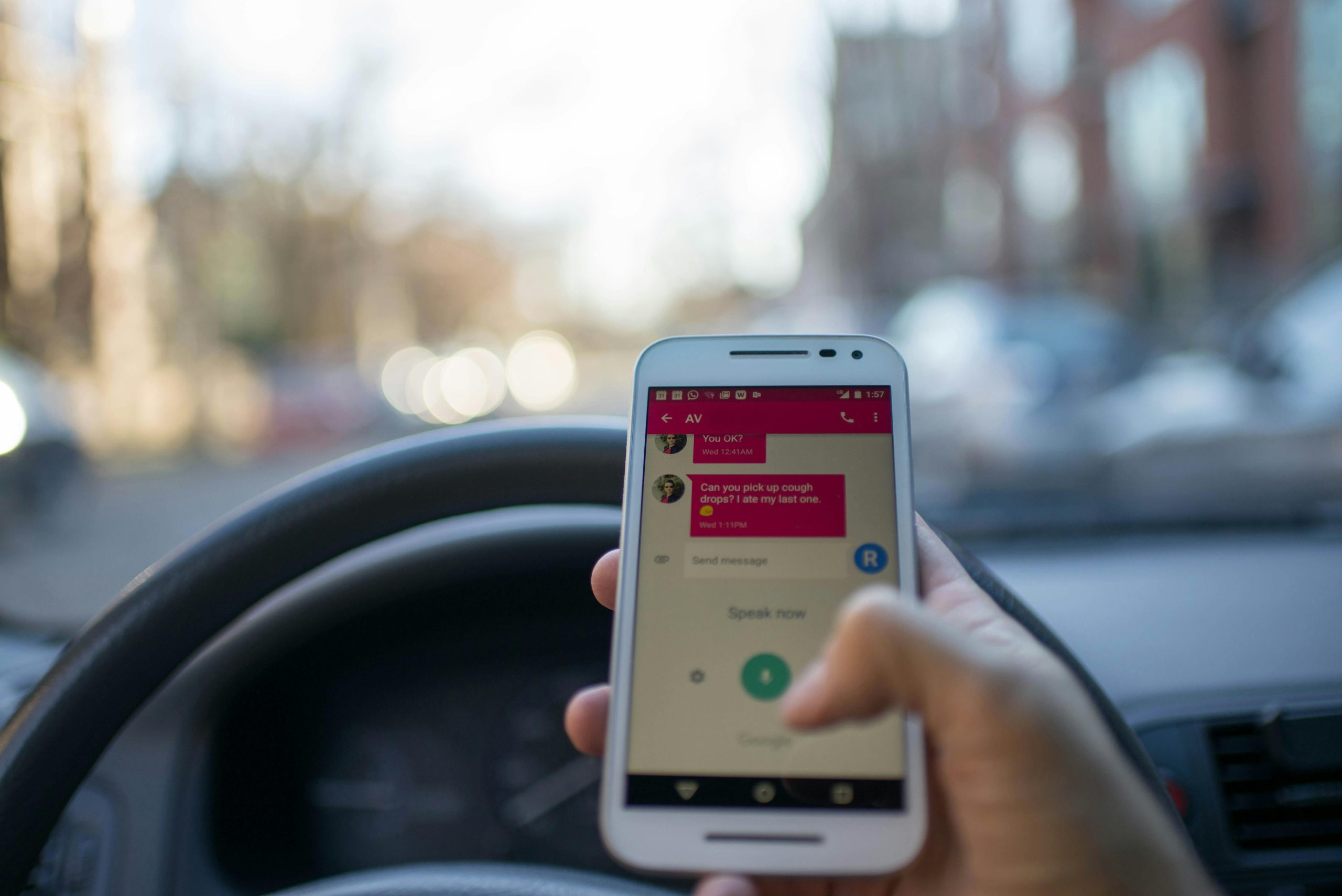
Identify and Eliminate Common Distractions Before Getting on the Road
The first step towards avoiding distracted driving is to identify and eliminate potential distractions before starting your vehicle. This may include turning off or silencing your phone, adjusting your GPS or music player, and securing any loose items in your car. It’s also essential to have your vehicle in good working condition to avoid any distractions caused by mechanical issues.
Put Your Phone Away
One of the biggest distractions for drivers is their mobile phone. According to a study by the AAA Foundation for Traffic Safety, 88% of millennials admit to using their phone while driving even though they are well aware of the risks.
One way to avoid this temptation is to put your phone away in a place where it won’t distract you. You can keep it in the glove compartment, the backseat, or even switch it off until you reach your destination. If you need to use your phone for navigation, consider using a hands-free device or setting your destination before you start driving.
Practice Good Time Management
Rushing to get to your destination can lead to distractions while driving. This can include eating, applying makeup, or trying to multitask while behind the wheel. To avoid this, plan your day and give yourself enough time to get to your destination without feeling rushed. If you’re running late, it’s better to make a call or send a message to let the person know than to put yourself and others at risk by trying to do it while driving.
Take Breaks During Long Trips
If you’re planning a long road trip, it’s essential to take breaks to rest and stretch your legs. Driving for longer than two hours can take a toll on your body and mind, making you more susceptible to distractions. Take a break every couple of hours to give your body a chance to recharge and refocus on the road ahead.
Be an Engaged and Focused Driver
One of the most crucial strategies for avoiding distracted driving is to be an engaged and focused driver. This means keeping your eyes on the road, hands on the wheel, and mind free from any distractions. Avoid any activities that can take your attention away from driving, such as eating, drinking, or grooming. Also, refrain from reaching for items in the backseat or trying to control your pet while driving.
Be Mindful of Your Emotions
Driving while emotional can be just as dangerous as driving while physically distracted. If you’re feeling upset, angry, or stressed, it’s best to take a break and calm down before getting behind the wheel. Emotions can impair your judgment and reaction time, making you more likely to get into an accident.
Be a Responsible Passenger
If you’re a passenger in a vehicle, you also have a responsibility to the driver and others on the road. Avoid engaging in distracting activities, keep the driver company, and offer to assist with any tasks, such as adjusting the music or navigation system. This will not only help the driver stay focused but also encourage safe driving habits.
Speak Up and Speak Out
If you notice the driver engaging in any dangerous distractions, speak up and remind them of the risks. You can also offer to take over the task, such as texting or changing the music, to allow the driver to focus on the road.
In conclusion, distracted driving is a dangerous and preventable habit that can have devastating consequences. By implementing these essential strategies, we can all do our part in ensuring the safety of ourselves, our passengers, and others on the road. Remember, the most important task when driving is to focus on the road and arrive safely at our destination.