
Exploring the Rise of Electric Pickup Trucks and Utility Vehicles
An electric revolution is on the rise, and it’s not just confined to passenger cars. The push for a greener future has spurred the development of electric pickup trucks and utility vehicles. These traditionally fuel-dependent workhorses are now transitioning to battery-powered alternatives, providing a more sustainable and eco-friendly option for all types of heavy-duty tasks. In this article, we’ll explore the rise of electric pickup trucks and utility vehicles, their benefits and challenges, and the current market landscape.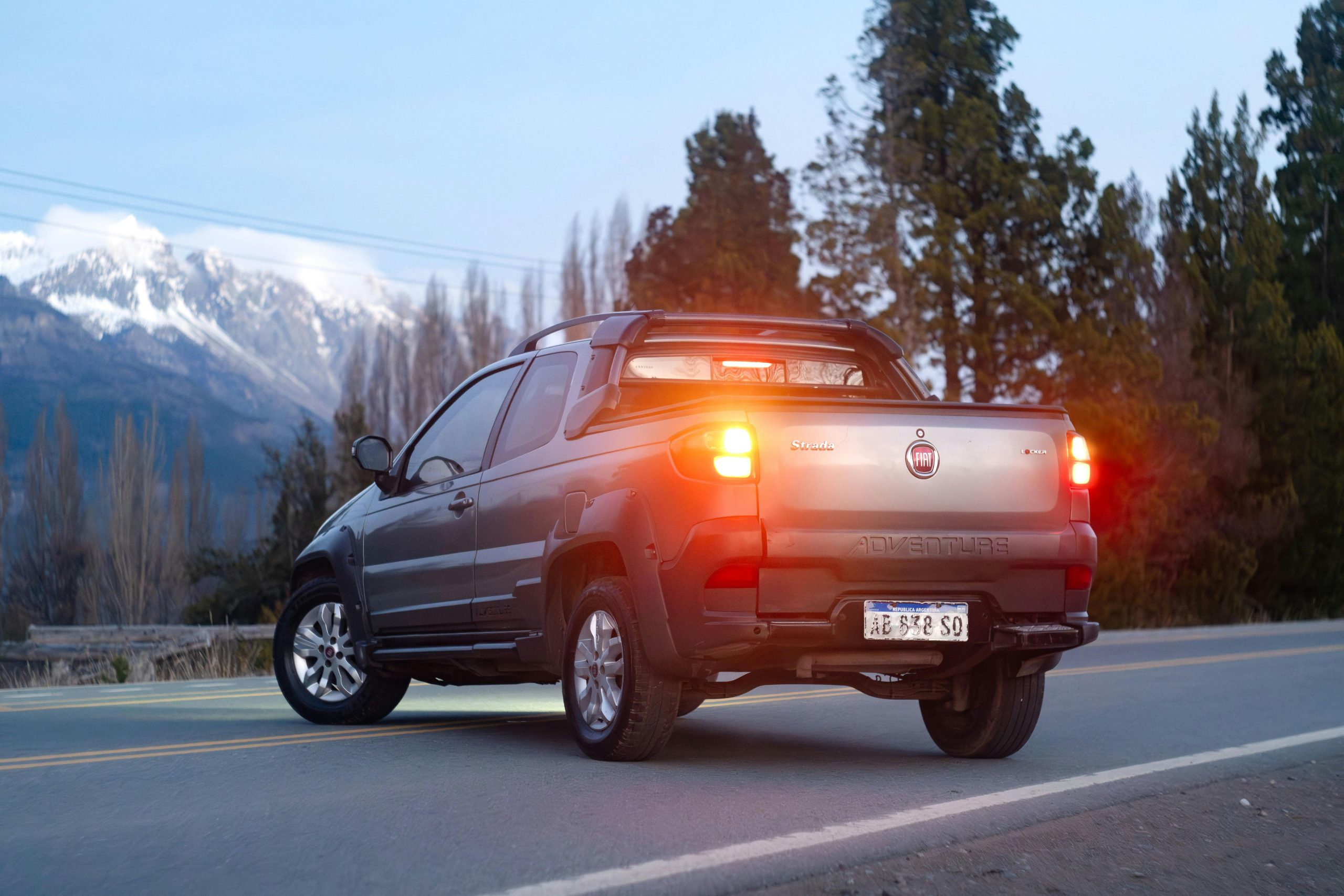
The Shift towards Electric
The conventional gasoline-powered pickup trucks and utility vehicles have been the go-to choice for businesses and individuals when it comes to heavy-duty tasks. However, with concerns about air pollution and climate change, there has been a gradual shift towards more sustainable transportation options. Electric vehicles (EVs) have gained significant traction in recent years, with technological advancements making them a viable alternative to their fossil fuel counterparts.
Benefits of Electric Pickup Trucks and Utility Vehicles
Eco-Friendly
The primary advantage of electric pickup trucks and utility vehicles is their eco-friendliness. As they run on electricity, they emit zero emissions, reducing the overall carbon footprint. This makes them the ideal choice for businesses and organizations looking to make a positive impact on the environment.
Cost-Effective
In the long run, electric vehicles prove to be more cost-effective than conventional gasoline-based ones. They require minimal maintenance, and the cost of electricity is significantly lower than gasoline. With the advancement of technology, charging times have also reduced, making it easier for businesses to integrate electric vehicles into their fleet.
Noise Pollution Reduction
Electric pickup trucks and utility vehicles are significantly quieter than their fossil fuel counterparts. This makes them an ideal choice for areas with noise pollution restrictions, such as construction sites in urban areas or residential neighborhoods.
Off-Road Capabilities
Electric vehicles have strong torque, making them suitable for off-road use. With rugged and durable designs, electric pickup trucks and utility vehicles can handle all types of rough terrains and heavy loads, making them a top choice for industries like construction and agriculture.
Challenges Faced by Electric Vehicles
Infrastructure Limitations
One of the biggest challenges faced by electric vehicles is the availability of charging infrastructure. While major cities and developed countries have a sufficient number of charging stations, it’s still a limiting factor for businesses operating in more remote or rural areas. However, with the growing demand for electric vehicles, this issue is slowly being addressed, and we can expect more charging stations to be installed in the future.
Rising Costs
The upfront cost of purchasing an electric pickup truck or utility vehicle is higher than their gasoline-powered counterparts. This is mainly due to the cost of battery technology and the limited production of electric heavy-duty vehicles. However, as demand increases and technology improves, it’s expected that the cost of these vehicles will gradually decrease.
Range Anxiety
Range anxiety is a common concern among electric vehicle owners, with the fear of running out of charge while on the road. However, with the advancements in battery technology and the increase in the range of electric vehicles, this issue is slowly becoming less prominent. In addition, many electric pickup trucks and utility vehicles offer the option of fast-charging, allowing for a quick top-up when needed.
The Current Market Landscape
The demand for electric pickup trucks and utility vehicles has increased significantly over the past few years, leading to major automotive companies like Tesla, Ford, and General Motors investing in and developing their own electric options. In addition, specialized companies such as Rivian and Bollinger Motors have also emerged, offering solely electric heavy-duty vehicles. As the market continues to grow, we can expect to see more competition and innovation in the electric vehicle sector, leading to more advanced and sustainable options for businesses and individuals alike.
Conclusion
The rise of electric pickup trucks and utility vehicles marks a significant step in the transition towards a greener future. With their eco-friendliness, cost-effectiveness, and off-road capabilities, these vehicles present a viable and sustainable option for businesses and individuals in need of heavy-duty vehicles. While they may face some challenges, the current market landscape and advancements in technology paint a promising future for electric vehicles in the transportation sector.