
The Art and Science of Professional Race Car Driving Simulation
Have you ever wondered what it takes to become a professional race car driver? It’s not just about having a fast car and pushing the pedal to the metal. Professional race car driving requires skill, precision, and strategy. And one of the key components to developing these skills is through race car driving simulation. In this article, we’ll dive into the art and science of professional race car driving simulation and how it can benefit drivers and teams on and off the track.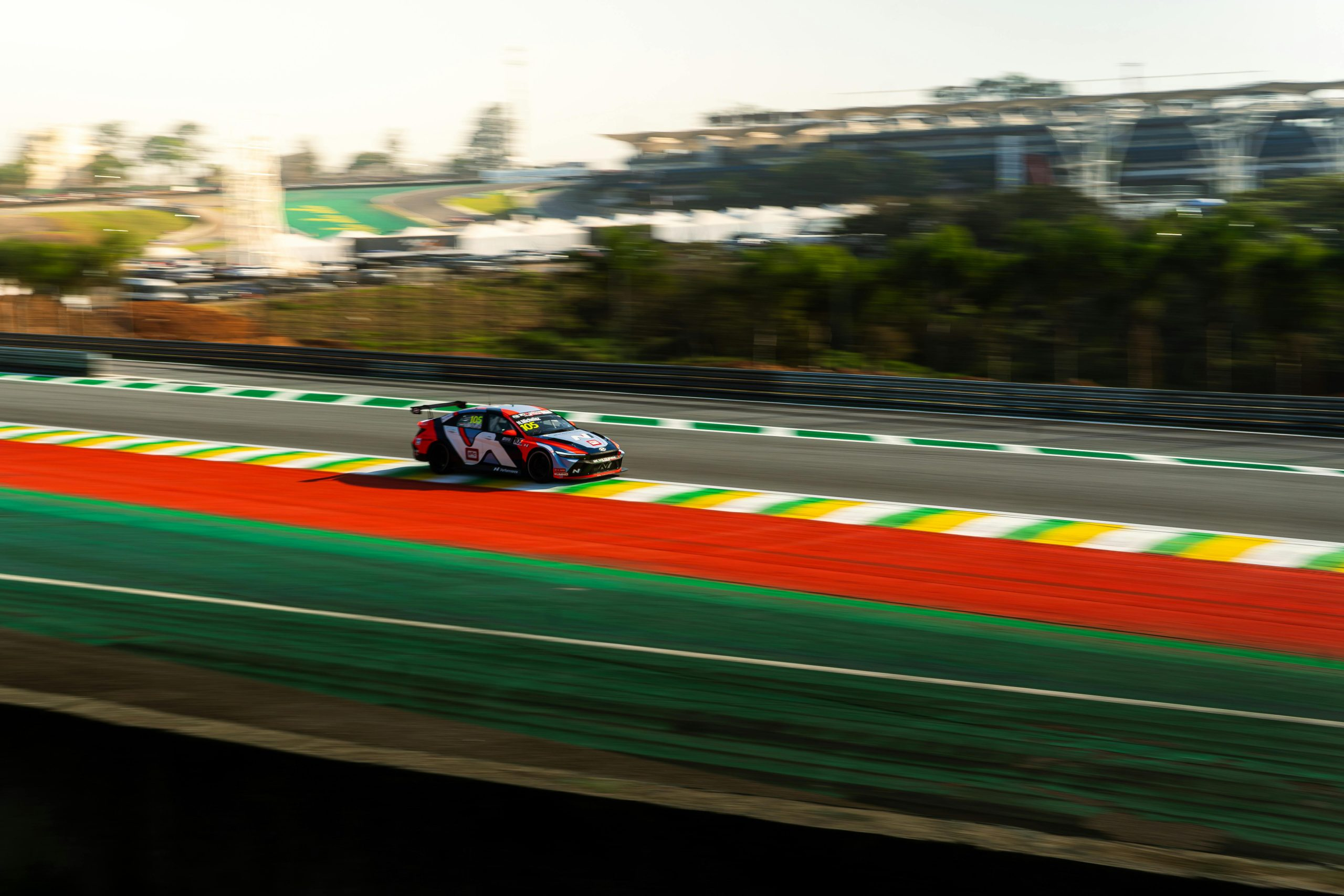
The Evolution of Race Car Driving Simulation
Race car driving simulation has come a long way since its inception in the 1960s. Initially, racing simulators were used as a training tool for real-life drivers to familiarize themselves with different tracks and conditions. However, with advancements in technology, simulators have become more sophisticated and realistic, making them an essential tool for drivers, engineers, and teams in the motorsports industry.
The Art of Simulation
Replicating Real-World Conditions
The goal of race car driving simulation is to replicate real-world conditions as accurately as possible. This means creating a virtual environment that mimics the physics of a race car, including the handling, braking, and tire grip. By achieving this level of realism, drivers can train on the simulator and transfer those skills to the track seamlessly.
Track Familiarization
One of the most significant advantages of race car driving simulation is the ability to train on different tracks. With a vast database of tracks from around the world, drivers can familiarize themselves with the layout, turns, and elevation changes before ever setting foot on the track. This helps drivers save time and be better prepared for race day.
Driving Technique and Strategy
Racing simulators not only replicate the conditions of a race car but also allow drivers to fine-tune their driving techniques and strategies. Through simulation, drivers can experiment with different racing lines, braking points, and throttle control to find the most efficient and fastest way around the track. They can also practice pit stop procedures and race strategies, giving them a competitive edge on race day.
Team Collaboration
Racing is a team sport, and simulation plays a crucial role in team collaboration. Engineers and mechanics can use simulation to test car setups and make adjustments to improve performance. They can also work with drivers to analyze data and make necessary changes to achieve the best possible outcome on race day.
The Science of Simulation
Data and Analysis
Simulation not only provides a realistic driving experience but also collects valuable data that can be used for analysis. Through sensors and software, simulation can measure different aspects of a driver’s performance, such as steering inputs, throttle and brake usage, and tire data. This data can then be analyzed to identify weaknesses and areas for improvement, giving drivers and teams a competitive advantage.
Training and Conditioning
In addition to driving techniques and strategy, simulation can also be used as a training and conditioning tool for drivers. With customizable scenarios and conditions, drivers can train for specific situations, such as wet weather or different track surfaces. They can also use simulation for mental and physical conditioning, helping them improve their focus and reaction time on the track.
The Future of Race Car Driving Simulation
As technology continues to advance, so will the capabilities of race car driving simulation. With the introduction of virtual and augmented reality, simulations will become even more immersive, giving drivers a more realistic experience. There is also the potential for simulations to be used in driver scouting and talent evaluation, ultimately bridging the gap between virtual and real-life racing.
In Conclusion
The art and science of professional race car driving simulation are constantly evolving and proving to be a crucial component of modern-day racing. It not only provides an opportunity for drivers to train and improve their skills, but also enables teams to fine-tune their strategies and car setups. With the continued advancements in technology, simulation will undoubtedly play a significant role in shaping the future of motorsports. So, the next time you watch a thrilling race, remember that there is a lot more to it than just driving fast; it’s a delicate balance of art and science.