Comparing the Different Regional Styles of Italian Pasta Making
When it comes to Italian cuisine, one dish stands out among the rest: pasta. This versatile and beloved dish has been a staple in Italian homes for centuries and has become a favorite all around the world. But did you know that pasta-making techniques and styles vary greatly across different regions of Italy? In this article, we’ll explore the various regional styles of Italian pasta making and how they differ from one another. From the shape of the pasta to the ingredients used, each region has its unique way of creating this delectable dish. So, let’s take a journey through Italy and discover the differences in their pasta making! 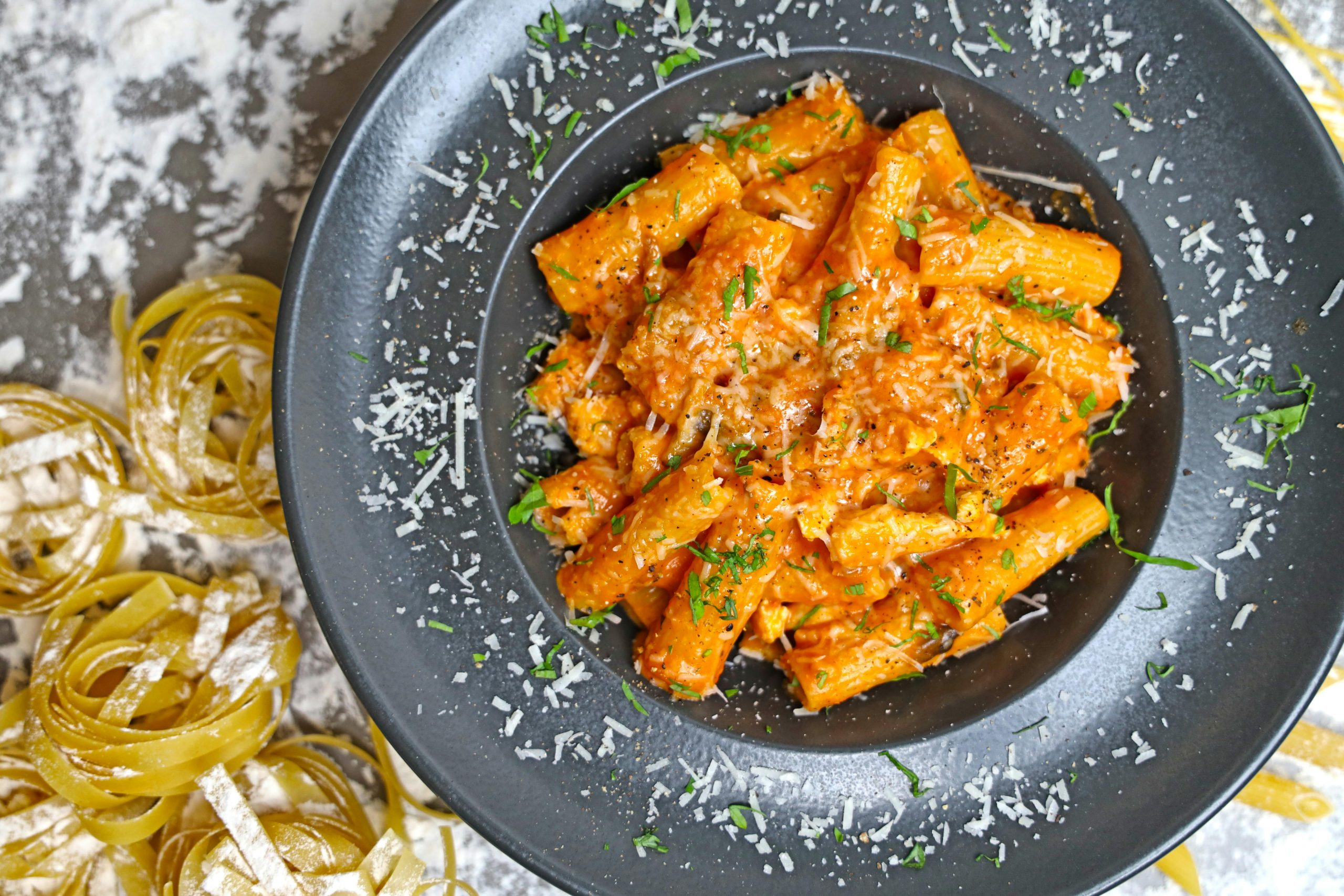
The Origins of Italian Pasta
Pasta has been a part of Italian cuisine since ancient times. Its roots can be traced back to the Etruscans, an ancient civilization that inhabited Italy before the Roman Empire. They were known for making a flat, unleavened dough that they would cut into strips and cook in water. However, it was the Romans who first popularized pasta by incorporating it into their diet. They introduced new methods of pasta-making, including using different shapes and rolling the dough thinner.
Popular Pasta Shapes Across Different Regions
Italy is divided into 20 regions, each with its unique culture, customs, and of course, pasta-making traditions. Here are some of the popular pasta shapes in various regions of Italy:
Liguria – Trofie
Liguria, located in the northwest region of Italy, is known for its beautiful coastline and delicious seafood. When it comes to pasta, they have a unique shape called trofie. These twisted small pasta nuggets are traditionally made by rolling small pieces of dough between the palms of your hands. Trofie is usually served with a simple sauce made of pesto, which is said to have originated in this region.
Tuscany – Pappardelle
Tuscany is a central region of Italy known for its rustic cuisine and beautiful countryside. Pappardelle is a flat, wide noodle that is popular in this region. It is typically served with rich and flavorful sauces, such as wild boar ragu or porcini mushroom sauce.
Puglia – Orecchiette
Orecchiette, meaning “little ears” in Italian, is a small, dome-shaped pasta that is widely eaten in Puglia, located in the southern part of Italy. This region is known for its agriculture, and the shape of orecchiette is believed to be inspired by the bounty of the land. It is commonly served with a simple tomato-based sauce or with broccoli rabe and sausage.
Emilia-Romagna – Tortellini
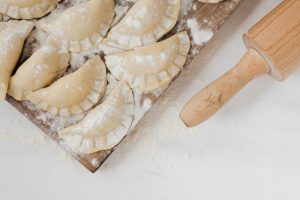
Emilia-Romagna, located in northern Italy, is often referred to as the birthplace of pasta. It is renowned for its fresh egg pasta, and one of the most famous dishes is tortellini. These small, ring-shaped pasta are filled with meat, cheese, or vegetables and served in a delicate broth or with a rich cream sauce.
The Role of Ingredients in Pasta Making
While the shape of pasta may be the most noticeable difference between regional styles, the ingredients used are also essential in creating the distinct flavors of each region. Here are some examples:
Campania – Buffalo Mozzarella
Campania, located in southern Italy, is known for its creamy and tangy buffalo mozzarella cheese. This cheese is a vital ingredient in the famous dish, spaghetti alla puttanesca, which originated in this region. The cheese’s creaminess pairs perfectly with the bold flavors of anchovies, capers, and tomatoes in this classic dish.
Lombardy – Gorgonzola
Lombardy, located in northern Italy, is the birthplace of the creamy and pungent Gorgonzola cheese. This cheese is an integral part of the famous dish, risotto alla Milanese, where it is melted into a creamy and rich sauce. Gorgonzola’s sharp flavor helps cut through the richness of the dish, making it a perfect balance of flavors.
Final Thoughts
Each region of Italy has its unique way of making pasta, and no two styles are the same. From the shape and texture of the pasta to the ingredients used, it’s fascinating to see how such a simple dish can have so many variations. So, next time you are indulging in a plate of pasta, take a moment to appreciate the flavors and techniques that go into creating it based on the region it comes from
Italy’s diverse regions have given us a variety of pasta styles and flavors, making it one of the most loved and versatile dishes in the world. The next time you’re making a bowl of pasta, try using different shapes or ingredients to discover the flavors of different regions and bring a taste of Italy into your home. Buon appetito!