Examining the Role of Texture in Contemporary Fine Dining
In the world of fine dining, texture plays a crucial role in elevating the dining experience to a new level. From the crunch of a perfectly seared scallop to the velvety smoothness of a rich chocolate mousse, texture adds another layer of complexity to the overall taste and presentation of a dish. In contemporary fine dining, chefs have embraced the use of texture to create dishes that not only tantalize the taste buds but also engage the senses in a unique and unforgettable way. In this article, we will delve into the role of texture in contemporary fine dining and uncover the ways in which it has revolutionized the culinary world.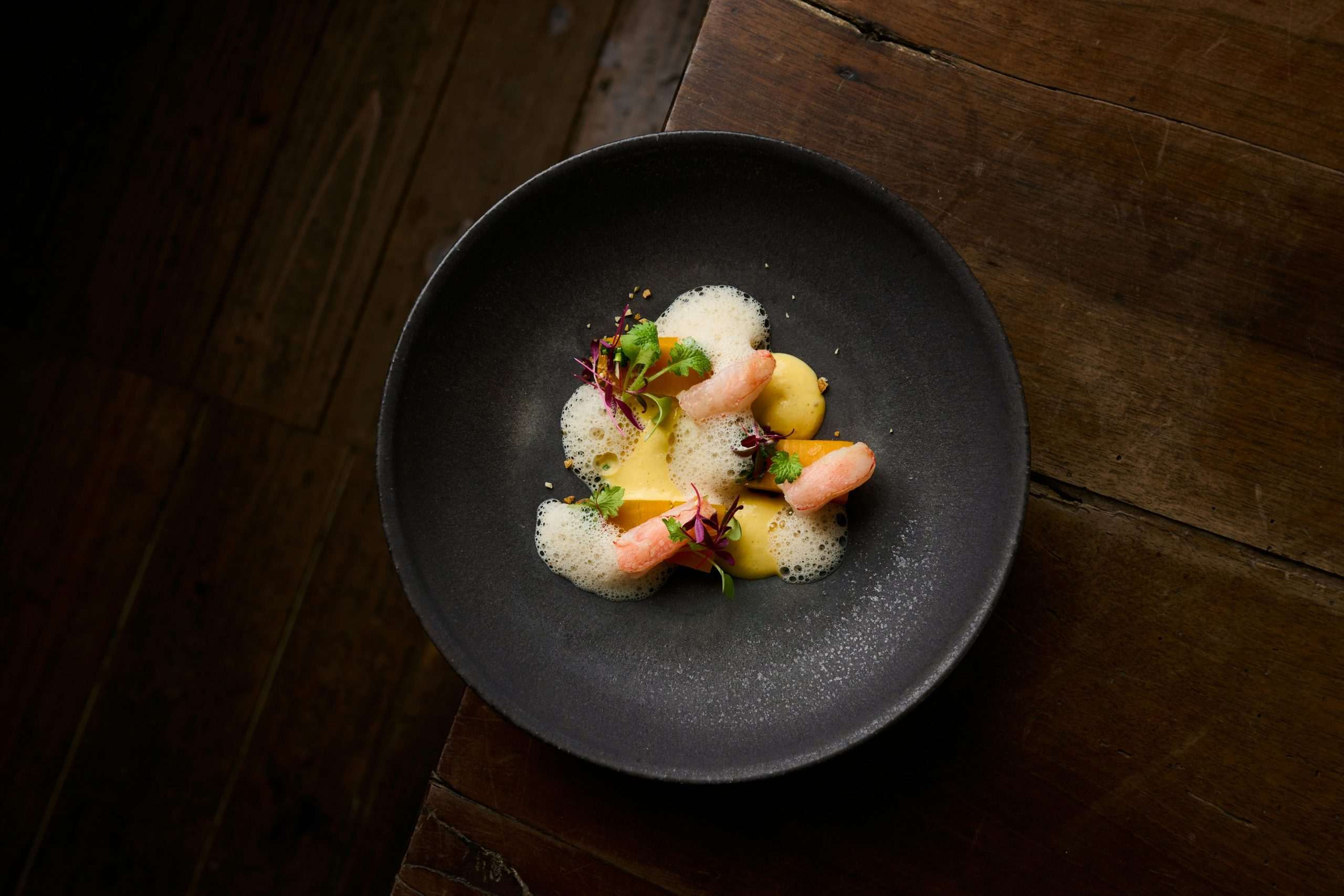
The Importance of Texture in Contemporary Fine Dining
Texture is defined as the feel, appearance, or consistency of a surface or substance. In recent years, it has become a fundamental element in contemporary fine dining, with chefs intentionally creating dishes that stimulate the diner’s senses not only through taste but also through texture. The use of varying textures in a dish adds depth and dimension, making it more stimulating and memorable. Texture also serves as an indicator of quality, with the perfect balance of textures elevating a dish to a whole new level.
Creating Balance with Texture
One of the key principles in creating a successful dish in fine dining is achieving balance. This is where texture plays a crucial role. Without proper balance, a dish can feel one-dimensional and lack the complexity that is expected in fine dining. By incorporating a mix of textures, chefs can create a harmony that enhances the overall taste and presentation of a dish. For example, a dish with a crunchy element, such as a crispy potato chip, paired with a creamy element, like a velvety foie gras mousse, creates a delightful contrast that keeps the diners’ taste buds enticed throughout the meal. This delicate balancing act is what makes contemporary fine dining so unique and exclusive.
The Role of Texture in Enhancing Presentation
In contemporary fine dining, presentation is just as important as taste. The use of texture has become a popular technique in enhancing the visual appeal of a dish. The glossy sheen of a sauce, the crispness of a freshly sliced vegetable, and the fluffiness of a souffle are all textures that add eye-catching dimension to a dish. Presentation has become an art form in itself, with chefs experimenting with different textures to create a stunning visual display that captures the attention of the diners and sets the tone for the dining experience.
The Evolution of Textures in Fine Dining
As the world of fine dining continues to evolve, so does the use of texture in dishes. Chefs are constantly pushing the boundaries with innovative techniques and ingredients to create textures that were once unimaginable. Molecular gastronomy, for example, has revolutionized the culinary world with its use of gels and foams to add unique textures to dishes. The incorporation of unconventional ingredients, such as dehydrated fruits and vegetables, has also added a new level of texture to contemporary fine dining. These advancements have not only made dining more exciting but have also challenged chefs to think outside the box and come up with creative ways to incorporate texture into their dishes.
In Conclusion
The role of texture in contemporary fine dining cannot be overstated. From creating balance and enhancing presentation to pushing the boundaries with new techniques and ingredients, texture has become a fundamental element that elevates the dining experience to new heights. As diners continue to seek out unique and unforgettable experiences, chefs will undoubtedly continue to push the boundaries of texture, making it a crucial aspect of fine dining for years to come.