
The Global Influence of Japanese Knife Skills and Maintenance
From sushi to samurai swords, Japan’s cultural influence extends far beyond its borders. But there is one aspect of Japanese culture that is often overlooked – their mastery of knife skills and maintenance. For centuries, Japanese chefs and craftsmen have honed their skills to create some of the sharpest and most durable knives in the world. And with a growing appreciation for Japanese cuisine and craftsmanship, the influence of Japanese knife skills and maintenance is spreading globally. In this article, we will delve into the history and techniques behind Japanese knife skills and maintenance and explore how they continue to have a global impact.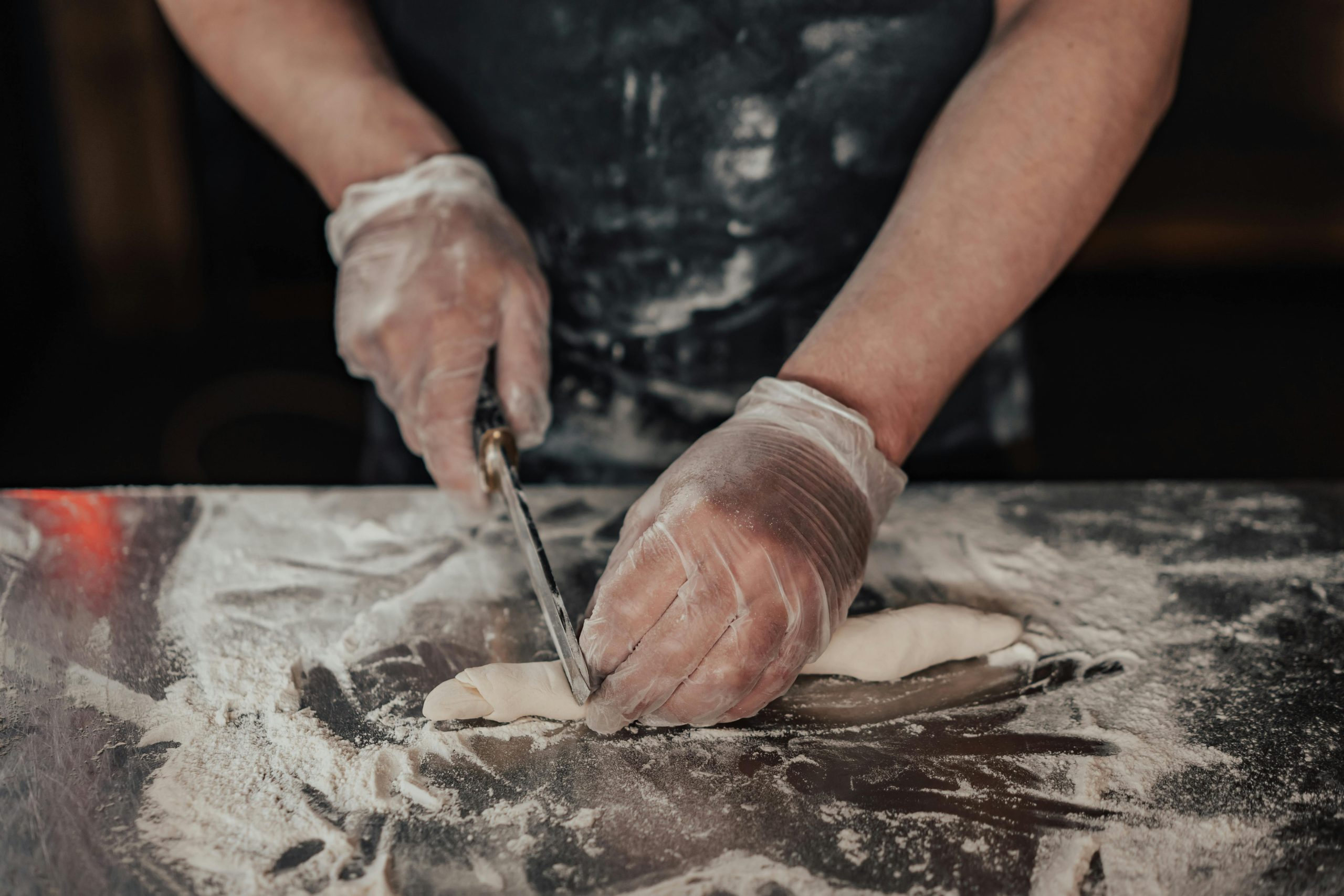
The History of Japanese Knife Skills
The roots of Japanese knife making can be traced back to the Heian period (794-1185 AD) when swords were the most important implements in Japanese society. With the rise of the samurai class, swords became not only tools for battle but also symbols of status and power. The demand for high-quality swords led to the development of advanced techniques for forging and sharpening blades. As Japan entered the peaceful Edo period (1603-1868 AD), the focus shifted to the production of kitchen knives, as the samurai class was abolished and their swords were no longer in high demand.
Over the centuries, Japanese knife makers have refined their skills and techniques, passing down their knowledge from generation to generation. One of the most important aspects of Japanese knife making is the use of high-quality steel. Japanese knives are made using a type of steel called “tamahagane,” which is created by combining iron-rich sand and charcoal in a clay furnace. This traditional method gives the knives their signature sharpness and durability.
The Art of Japanese Knife Making
The Forging Process
One of the key techniques in Japanese knife making is the forging process. Unlike mass-produced knives, which are stamped out of a sheet of steel, Japanese knives are hand-forged by skilled craftsmen. The process starts by heating the tamahagane steel to around 1300 degrees Celsius. The molten steel is then hammered and folded over multiple times to create layers, which helps to remove impurities and create a stronger blade.
The number of layers in a Japanese knife can range from a few dozen to over a hundred, depending on the type of knife being made. This process not only creates a visually appealing pattern on the blade, but it also makes the knife stronger and more resistant to breaking.
The Sharpening Process
After the blade has been forged, it goes through an extensive sharpening process. This is where the iconic sharpness of Japanese knives comes from. The sharpening process is done by hand using a whetstone (called a “shiage-to”). The blades are sharpened at a precise angle to create a razor-sharp edge, which is then polished using finer grit stones to remove any imperfections.
The craftsmen who sharpen Japanese knives are known as “togishi.” They undergo years of training to perfect their skills and are highly respected in Japanese society. The process of sharpening a Japanese knife is not only about creating a sharp blade but also about preserving the integrity and balance of the knife.
The Importance of Knife Maintenance
In addition to the art of knife making, Japanese culture also places great importance on knife maintenance. This is because the sharpness and durability of Japanese knives rely heavily on the proper care and upkeep of the blade.
One of the key aspects of knife maintenance is sharpening. Japanese knives require regular sharpening to maintain their sharp edge. However, unlike Western knives, which are often honed using a sharpening steel, Japanese knives need to be sharpened using a whetstone. This ensures that the blade is sharpened evenly and maintains its balance.
Another important aspect of knife maintenance is cleaning. Japanese knives should never be washed in the dishwasher, as the high heat and harsh soap can damage the blade. Instead, they should be washed by hand and dried immediately to prevent oxidation and rusting.
The Global Impact of Japanese Knife Skills and Maintenance
With the rise of Japanese cuisine and the increasing popularity of Japanese knives, the global impact of Japanese knife skills and maintenance is evident. Chefs and knife enthusiasts around the world have recognized the superior quality and sharpness of Japanese knives, leading to a growing demand for these knives.
Furthermore, the meticulous attention to detail and craftsmanship in Japanese knife making has also influenced techniques in other industries. For example, the precision and finesse in sharpening Japanese knives have led to advancements in medical scalpel production.
In conclusion, the influence of Japanese knife skills and maintenance extends far beyond the kitchen. The art of Japanese knife making and the importance of knife maintenance have a long-standing history and continue to impact industries and cultures worldwide. So the next time you pick up a Japanese knife, remember the centuries of tradition and expertise that went into creating it.