
The Impact of Food Photography on Modern Dining Culture
In today’s digital age, scrolling through social media feeds and drooling over mouth-watering food photos has become a daily ritual for many people. Food photography has taken over our screens and has become a significant part of modern dining culture. With the rise of food blogging, foodies, and influencers, the impact of food photography on the way we perceive, consume, and experience food cannot be ignored. In this article, we will explore the influence of food photography on modern dining culture and how it has changed the way we interact with food.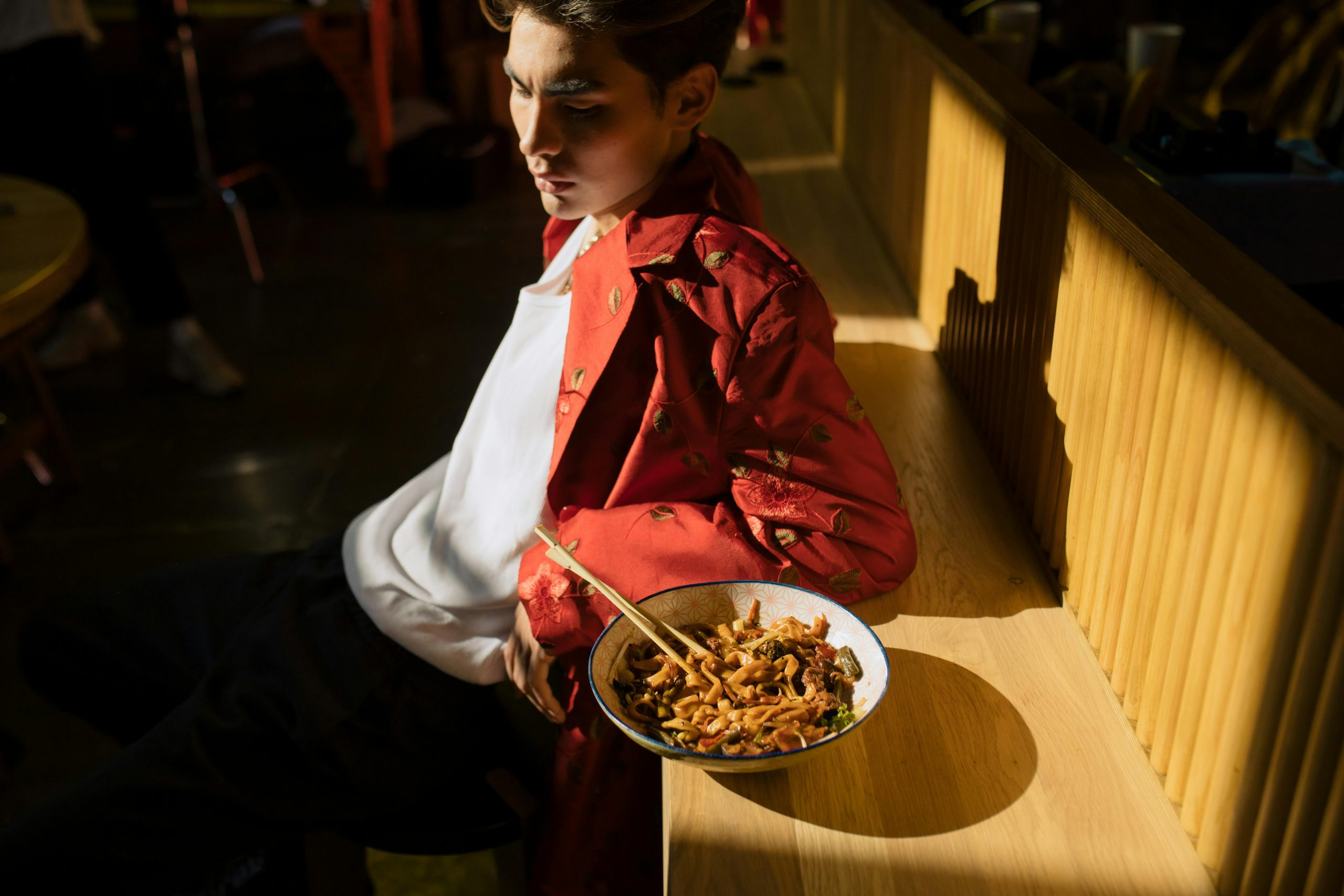
The Rise of Food Photography
With the invention of smartphones and social media platforms, anyone can become a food photographer. Food photography has become more accessible and relevant than ever before. In the past, food photography was only limited to high-end restaurants and professional photographers. However, now even the most amateur photographer can capture a drool-worthy food photo and share it with the world within minutes.
Social Media Influence
Social media has played a significant role in the growth and popularity of food photography. Platforms like Instagram, Facebook, and Pinterest have made it easier for people to share their food photos and discover new food trends and restaurants. The use of hashtags, location tags, and geotagging has allowed food photographers to reach a wider audience and gain a following for their food photography.
Visual Appeal
Humans are visual creatures, and food photography appeals to our sense of sight. A well-captured food photo can make an ordinary dish look irresistible, and this is the power of food photography. It has the ability to entice people and make them crave for a particular dish or cuisine. The visual appeal of food photography has contributed to the growth of food blogging, and many food bloggers have gained popularity solely based on their visually appealing food photos.
Social Sharing and Engagement
One of the significant impacts of food photography on modern dining culture is its ability to drive social sharing and engagement. People love sharing their food photos on social media, and this has contributed to the rise of food trends and viral food photos. It has also changed the way we experience dining, as people are more likely to choose a restaurant based on the visual appeal of the food on their social media pages. Food photography has become a powerful marketing tool for restaurants and has the ability to attract customers and influence their dining choices.
The Importance of High-Quality Food Photography for Businesses
With the growing influence of food photography, businesses in the food industry must pay attention to the quality of their food photography. High-quality food photos are essential for attracting customers and creating a strong online presence. In today’s digital world, customers are more likely to choose a restaurant or dish based on the photos they see online. Poorly captured or unappealing food photos can be detrimental to a restaurant’s reputation and can drive potential customers away.
Brand Building
Food photography has become a crucial element of brand building for restaurants and food businesses. A strong visual identity through high-quality food photos can help businesses to establish their brand and attract their target audience. It can also create a lasting impression on customers and create a sense of trust and credibility for the brand.
Online Menu
The rise of online food delivery platforms has made it more important for businesses to have high-quality food photos for their online menu. Customers are more likely to order a dish if they can see a visually appealing photo of it. A well-captured food photo can entice customers and make them more likely to try out a dish or cuisine.
The Negative Impact of Food Photography on Modern Dining Culture
While food photography has brought about many positive changes in modern dining culture, it has also brought some negative impacts. The pressure to capture the perfect food photo for social media has led to people spending more time taking photos of their food than actually enjoying it. This has also led to food being wasted, as people often order more for the sake of taking photos. Moreover, the constant bombardment of food photos on social media can also contribute to unhealthy eating habits and body image issues for some people.
In Conclusion
The impact of food photography on modern dining culture cannot be overlooked. It has changed the way we experience, perceive, and interact with food. Food photography has become a powerful marketing tool for businesses and has made food more visually appealing and desirable. However, it is essential to strike a balance between enjoying food and taking photos of it for social media. Let’s not forget to savor the taste and experience of food, rather than just capturing it for the gram.