
The Subtle Art of Seasoning Food with Perfect Salt Balance
If you’ve ever tasted food that seems to have the perfect balance of flavors, chances are the cook has mastered the art of seasoning with salt. Salt is one of the most essential ingredients in cooking, but it’s also one of the most intimidating. How much salt is too much? Is there such a thing as too little salt? In this article, we’ll explore the subtle art of seasoning food with the perfect salt balance and how to elevate your dishes to new levels of deliciousness.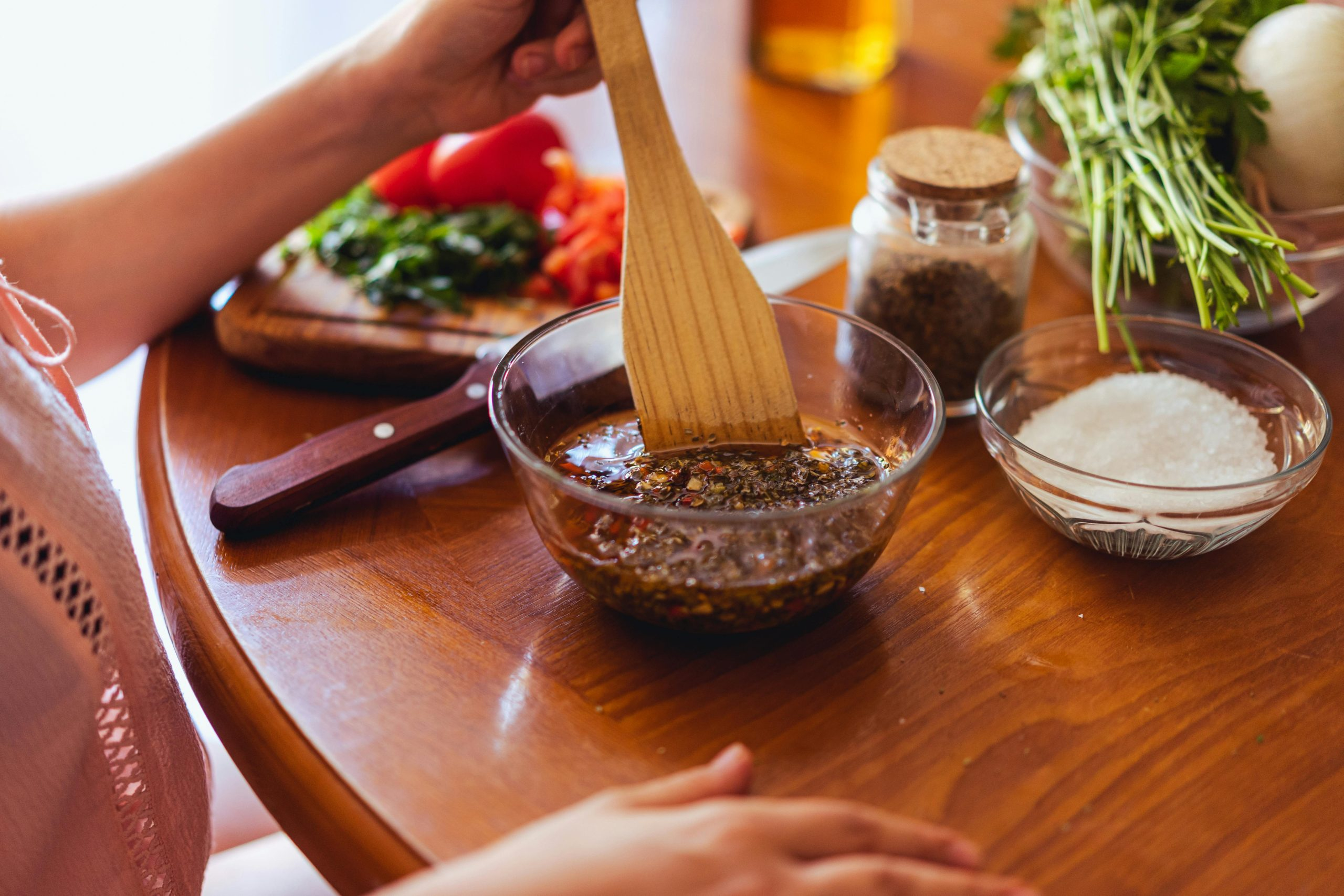
The Importance of Salt in Cooking
Salt is a mineral that has been used for centuries to enhance the flavor of food. It’s composed of sodium and chloride ions and can be harvested from both natural and man-made sources. In cooking, salt plays a crucial role in bringing out the natural flavors of ingredients, balancing out bitterness and sweetness, and preserving food.
When used correctly, salt can add depth and complexity to dishes, making them more enjoyable to eat. On the other hand, over or under-seasoned food can fall flat and lack flavor. This is why learning the art of seasoning with salt is crucial for any cook.
Finding the Perfect Salt Balance
So, how do you achieve the perfect salt balance in your dishes? The answer lies in understanding the different types of salt and their properties.
Table Salt
Table salt is the most common type of salt found in kitchens. It’s highly refined, granulated, and has a fine texture. Table salt is usually iodized, which means it contains iodine, a mineral that helps prevent thyroid problems. Iodine is a necessary nutrient, so in most cases, it’s not recommended to switch to non-iodized salt.
Table salt has a strong, sharp taste, and because of its fine texture, it dissolves quickly, making it perfect for baking and cooking recipes that require precise measurements. However, due to its high saltiness, it’s easy to over-salt dishes when using table salt.
Kosher Salt
Kosher salt has a coarse texture and is named after its use in the Jewish religious practice of koshering meat. It’s less salty than table salt, so you can use more of it without oversalting your food. Kosher salt doesn’t contain iodine, and its larger flakes make it easier to pinch and sprinkle, making it ideal for seasoning food by hand.
When it comes to cooking, kosher salt is a popular choice among chefs because it’s easier to control the amount of salt in dishes compared to table salt. It’s also worth noting that different brands of kosher salt can have different levels of saltiness, so it’s important to taste as you go when cooking with kosher salt.
Sea Salt
Sea salt is obtained by evaporating seawater, leaving behind a brine solution that’s then harvested into salt crystals. Sea salt is less refined than table salt, so it contains trace minerals that give it a more complex flavor and a coarser texture. It’s slightly less salty than table salt and has a milder taste, making it a favorite among those who prefer a more delicate salt flavor.
Sea salt is a great option for finishing dishes and adding texture since its larger crystals add a satisfying crunch. It’s not recommended for cooking since it doesn’t dissolve as quickly as table salt and can create a gritty texture in dishes.
Tips for Seasoning with Salt
Now that you know the different types of salt, here are some tips on how to achieve the perfect salt balance in your cooking:
Start with Less Salt
The best approach to seasoning with salt is to start with a smaller amount and add more as needed. Remember, it’s easier to add more salt than to remove it, so start with a pinch and taste as you go until you reach a balanced flavor.
Consider the Dish Being Cooked
Certain dishes can handle more salt than others. For example, foods with a high water content, like soups and stews, will require more salt, while dishes with rich and strong flavors, like sauces and marinades, will need less salt.
Don’t Forget About Salt in Baking
Salt isn’t just for savory dishes; it’s also an important ingredient in baking. It helps to enhance the flavors of other ingredients and adds a touch of sweetness to pastries and other desserts.
Experiment with Different Types of Salt
The best way to become comfortable with seasoning food with salt is through practice and experimentation. Try using different types of salt in your dishes and see how they affect the flavor. Don’t be afraid to play around and find what works best for you and your taste buds.
In Conclusion
Salt is a crucial ingredient in cooking that can make or break a dish. By understanding the different types of salt and how to use them, you can achieve the perfect salt balance and elevate the flavors in your dishes. So go ahead and experiment with salt in your cooking and savor the delicious results.