The Unseen Scientific Secrets Behind Perfect Bread Baking
Do you ever wonder how bakeries produce perfect, fluffy, and crispy bread every time? It’s not just luck or artistic skill that creates these culinary wonders. Behind every delicious loaf of bread is an intricate and scientific process that involves various ingredients, techniques, and even the environment. In this article, we will uncover the unseen scientific secrets behind perfect bread baking, giving you a better understanding of what goes into your favorite bakery treats.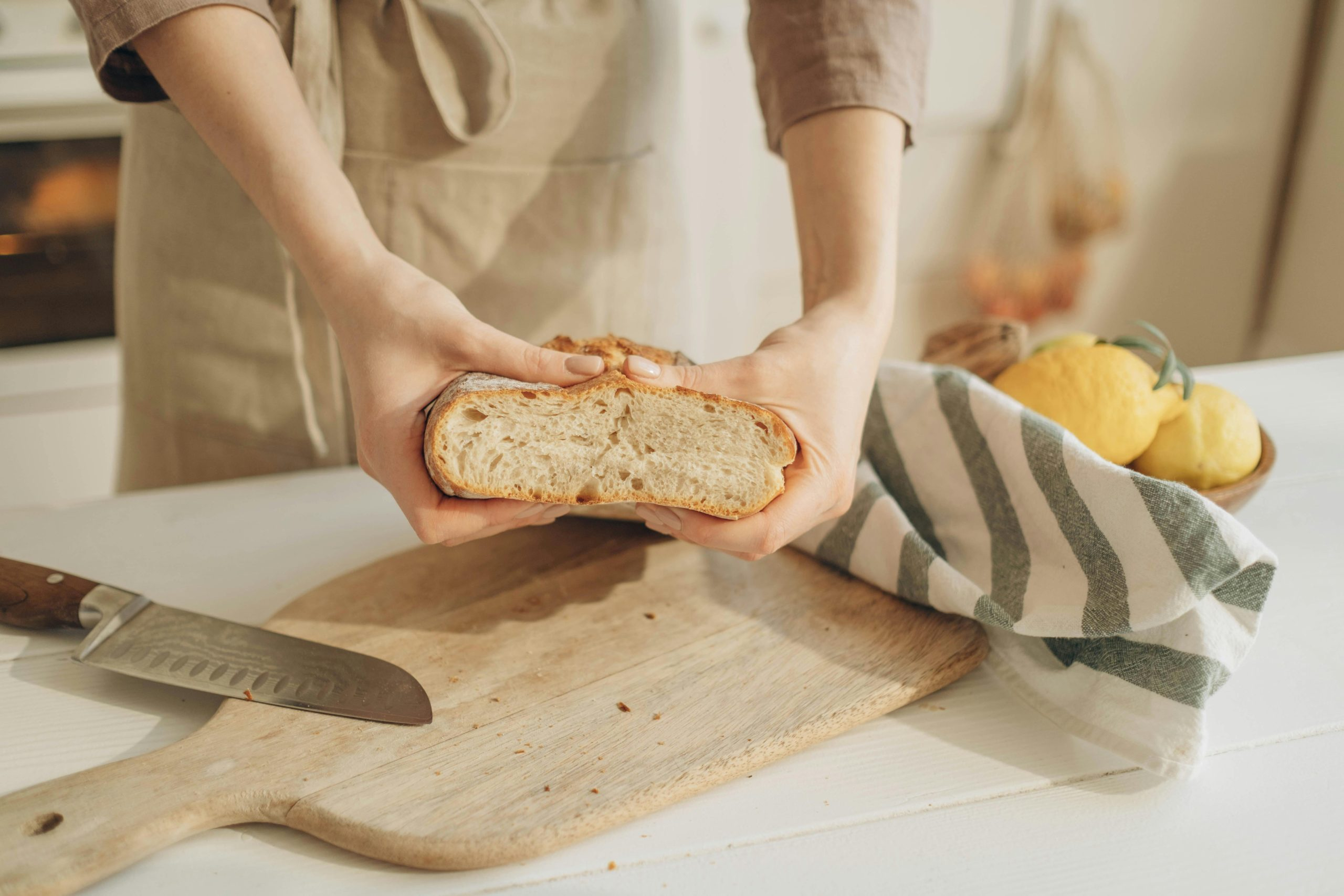
The Role of Flour and Gluten
One of the key ingredients in bread baking is flour, and not just any kind of flour. Different types of flour have various protein levels, which play a crucial role in the bread’s texture. In particular, the gluten protein is responsible for the elasticity and stretchiness of bread dough. When kneading the dough, the gluten strands align and create a lattice-like structure, giving the bread its structure and chewiness.
The Importance of Temperature
Temperature also plays a crucial role in bread baking, from the water temperature used in activating yeast to the heat used during baking. The ideal temperature for yeast activation is between 105-110 degrees Fahrenheit, as anything too hot will kill the yeast, and anything too cold will delay its activation. During the baking process, the oven’s high temperature causes the dough to rise quickly, creating air pockets and a crispy crust.
The Science of Yeast
If you’ve ever made bread, you know the vital role yeast plays in the process. Yeast is a living microorganism that feeds on sugar and produces carbon dioxide. This gas is what causes the dough to rise, creating light and fluffy bread. However, yeast is a delicate organism that requires specific conditions to thrive, such as warmth, moisture, and food. That’s why precise measurements and proper kneading techniques are essential in bread baking.
The Secret of Leavening Agents
Besides yeast, bakers also use other leavening agents to help bread rise, such as baking powder and baking soda. These agents work differently than yeast, as they do not produce carbon dioxide on their own but react with other ingredients in the dough to create gas. Baking powder contains both an acid and a base, which react when in contact with water and heat, producing carbon dioxide. Baking soda, on the other hand, needs an acid ingredient, like buttermilk or lemon juice, to react and create gas.
The Magic of Timing and Technique
Aside from ingredients and temperature, timing and technique also play a significant role in bread baking. The duration of dough proofing, also called the fermentation process, is crucial in developing the dough’s flavor and texture. Over-proofing can cause the bread to collapse, while under-proofing can lead to a dense and chewy loaf. Proper kneading techniques, such as the fold and stretch method, also help to develop the bread’s gluten structure and create light and airy bread.
The Impact of Environment and Humidity
It may come as a surprise, but the environment and its humidity levels can significantly affect bread baking. High humidity can make the dough sticky, preventing it from rising correctly. On the other hand, low humidity can cause the dough to dry out, making it challenging to shape and resulting in a tough crust. That’s why bakers often adjust their recipes and techniques to compensate for the weather conditions.
The Science of Bread Slicing
Finally, let’s talk about slicing bread. While it may seem like a simple task, there is actually a scientific method to it. When bread is freshly baked, the gluten structure is still setting, and cutting into it can collapse the structure, resulting in a dense and gummy loaf. For perfectly sliced bread, it’s best to wait until the bread has cooled down, allowing the gluten to set and stabilize.
Conclusion
Bread baking is not just an art; it is also a science. Understanding the role of ingredients, timing, and technique can help you achieve the perfect loaf of bread every time. With the right knowledge and techniques, you can even experiment with different ingredients and methods to create your unique and delicious bread. Now that you know the unseen scientific secrets behind perfect bread baking, go ahead and impress your family and friends with your newfound skills.