
Understanding the Principles of Food Presentation Design
Food presentation is an essential aspect of cooking that goes beyond just placing food on a plate. It involves the artistic arrangement and serving of food, turning a meal into an experience. It is the first thing that catches our eye when served, making it crucial to the overall enjoyment of food. Good food presentation involves understanding the principles of food presentation design, which can elevate a dish from just being tasty to visually appealing as well. In this article, we will delve into the principles of food presentation design and how to apply them to create a beautiful and inviting meal.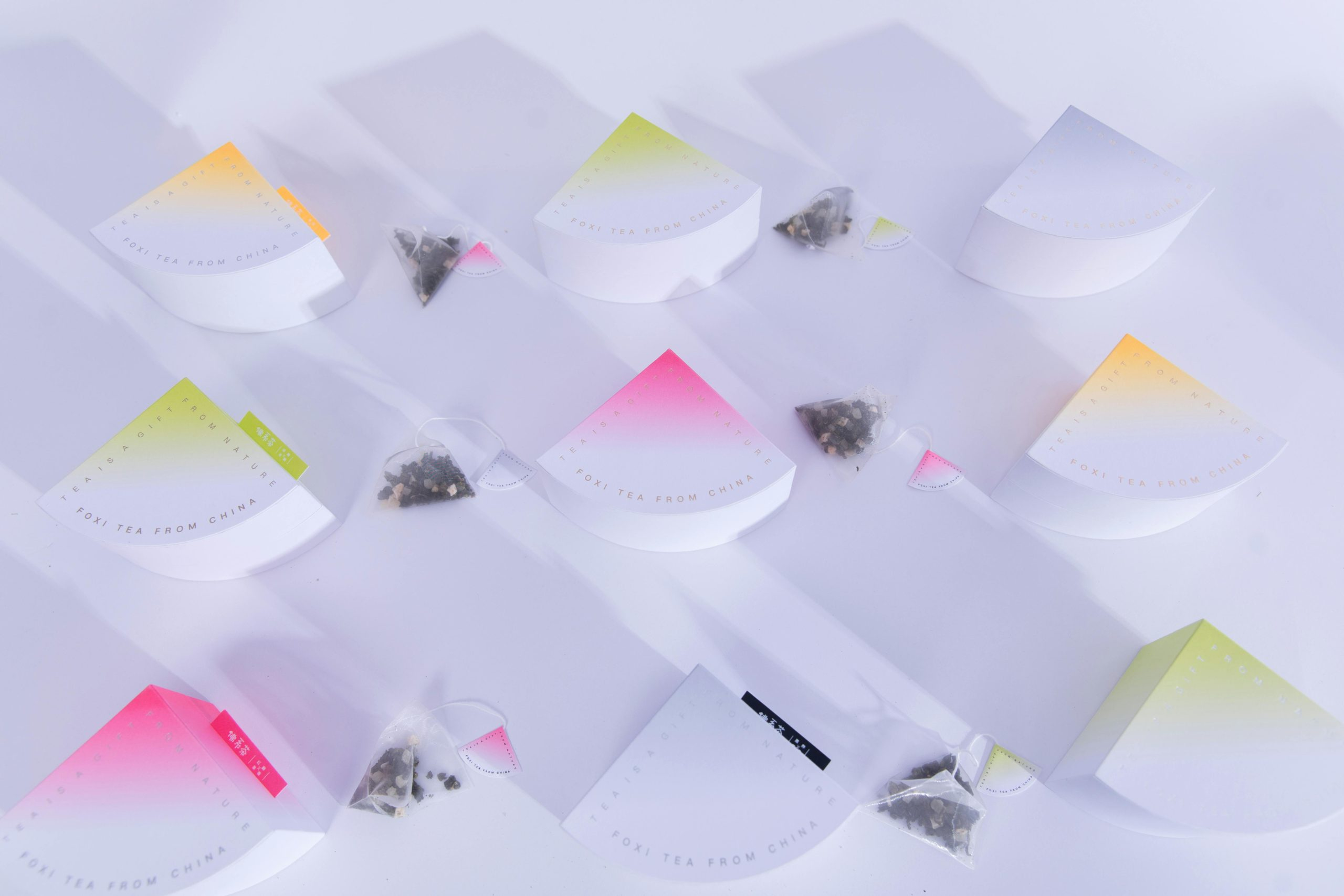
Understanding the Principles of Food Presentation Design
The art of food presentation has been around for centuries and has evolved into a fundamental aspect of the culinary world. It is a combination of color, texture, and arrangement, that creates a visually appealing plate. But to achieve this balance, one must understand the principles of food presentation design. Let’s take a closer look at them:
Color
Color is one of the most crucial elements of food presentation. It adds dimension and contrast to a dish and can make it more visually appealing. The key is to use a balance of colors, incorporating a variety of vibrant and muted tones. A dish with a monochromatic color scheme may be visually dull, while one with too many bold colors can be overwhelming. A good way to add color to a dish is by using fresh herbs, fruit, or vegetables as garnishes.
Texture
Texture is also an essential element of food presentation. It refers to the physical feel of food in the mouth, and also how it looks on the plate. A well-presented dish should have a balance of textures, incorporating both crunchy and smooth elements. This not only adds interest to the dish but also plays a role in the overall dining experience.
Balance
Balance is crucial in food presentation design and involves arranging elements on a plate in a way that makes it visually appealing. There are two types of balance: symmetrical and asymmetrical. Symmetrical balance involves placing elements evenly on either side of the plate, creating a mirror-like effect. Asymmetrical balance, on the other hand, involves arranging elements in an off-center manner, creating a sense of movement and interest.
Proportion
Proportion relates to the size and shape of food on a plate. A well-proportioned dish will have a balance of elements, with no individual element overwhelming the others. It is essential to consider the size of the plate when plating food and making sure that the food is evenly distributed. A dish with too much empty space can make it appear unappealing, while too many elements can make it look cluttered.
Emphasis
Emphasis is all about creating a focal point on a plate. It is achieved by drawing attention to a particular element, such as the main protein in a dish or a brightly colored garnish. This creates a visual anchor and prevents the plate from looking too busy.
Simplicity
Simplicity is often underrated but is crucial when it comes to food presentation design. Too many elements on a plate can be overwhelming and make the dish less appetizing. Keeping the dish simple not only makes it visually appealing but also allows the flavors to shine through.
Applying the Principles of Food Presentation Design
Now that we have a better understanding of the principles of food presentation design, here are some tips on how to apply them when plating food:
– Start by choosing plates and cutlery that complement the dish.
– Arrange the dish in a way that creates balance, using the principles of symmetry or asymmetry.
– Use colorful ingredients or garnishes to add visual interest.
– Be mindful of portion sizes and add elements to fill any empty space on the plate.
– Use different textures to add dimension to the dish.
– Consider the height of the dish to create a sense of depth.
– Use sauces or drizzles to add visual interest and bring the elements together.
– Lastly, take a step back and assess the plate to make sure it is visually appealing and follows the principles of food presentation design.
By understanding and applying these principles, you can elevate your food presentation and create a feast for the eyes as well as the taste buds.
In conclusion
The principles of food presentation design are an essential aspect of creating a visually appealing dish. By incorporating aspects of color, texture, balance, proportion, emphasis, and simplicity, you can elevate your food presentation and make it an integral part of the dining experience. So the next time you plate a dish, remember the principles and let your creativity shine.