The Transformative Effect of Punk Rock on Social Norms
Punk rock has long been considered a counterculture movement that challenged societal norms and shook the foundations of traditional music. With its raw and rebellious sound, punk rock emerged in the 1970s as a powerful force that not only transformed the music industry but also had a profound impact on social norms and values. From fashion to gender roles, punk rock revolutionized and defied societal expectations, leaving a lasting imprint on our culture. In this article, we will explore the transformative effect of punk rock on social norms and how it continues to shape our society today.
The Birth of Punk Rock
Punk rock emerged in the mid-1970s in both the United States and the United Kingdom as a response to the mainstream rock and pop scene. The raw and energetic sound of punk rock, characterized by aggressive guitar riffs, fast-paced drumming, and rebellious lyrics, was a stark contrast to the polished and commercialized music of the time.
But punk rock was more than just a new music genre – it was a movement. It rejected the mainstream music industry and its corporate influence, advocating for a DIY (do-it-yourself) mentality. This DIY ethos extended beyond music and influenced the way punks dressed, wrote, and lived their lives.
Punk Fashion and Individuality
One of the most visible ways punk rock challenged social norms was through its fashion. The punk fashion was a deliberate rejection of the polished and glamorous styles of the 1970s. Punks embraced a DIY approach to fashion, creating their own unique looks from thrifted clothing and unconventional materials.
But beyond the ripped jeans and safety pins, punk fashion was a statement of individuality and rebellion. It rejected the societal pressure to conform and encouraged self-expression. This was a powerful message, especially for marginalized communities, as punk fashion offered a way to break free from societal expectations and norms.
Breaking Gender Stereotypes
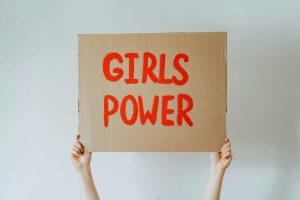
Punk rock also had a significant impact on challenging gender stereotypes. In a male-dominated music scene, punk gave a voice and a stage to women. Female punk icons like Patti Smith, Joan Jett, and Poly Styrene shattered the stereotype of women as passive and submissive. They were strong, unapologetic, and challenged gender norms both on and off stage.
Punk fashion also played a role in breaking down gender stereotypes. Gender-bending was a common element in punk fashion, with men sporting makeup and feminine attire, and women donning androgynous looks. This defiance of traditional gender roles and boundaries paved the way for more acceptance and freedom of expression in society.
The Message of Rebellion and Social Justice
Punk rock lyrics were often politically charged and addressed social issues such as poverty, racism, and police brutality. The music became a platform for social commentary and a call to action for change. Punk bands like The Clash and Dead Kennedys were known for their outspoken views on social justice and anti-authoritarianism, challenging the status quo and inspiring others to do the same.
The punk movement also showed solidarity with marginalized groups, such as the LGBTQ+ community and racial minorities. By openly supporting and including these communities, punk rock not only challenged societal norms but also helped bring about social change and acceptance.
The Legacy of Punk Rock
Punk rock may have peaked in popularity in the 1970s and 1980s, but its legacy lives on today. The rebellious and nonconformist attitude of punk rock continues to inspire individuals and artists to challenge societal expectations and norms. The DIY ethos still thrives, and punk fashion remains an influential style in alternative and mainstream fashion alike.
Moreover, the messages of social justice and equality that punk rock championed are more relevant than ever. The punk movement may have originated over four decades ago, but its effect on social norms and values is timeless. It showed that, through music and art, we can ignite change and push society towards progress.
In Conclusion
The transformative effect of punk rock on social norms is undeniable. From fashion to gender roles, punk rock challenged societal expectations and opened the door for individuality and rebellion. It paved the way for more acceptance and diversity in our culture and continues to inspire new generations to break free from the chains of conformity. Punk rock will forever remain a powerful and influential force that reminds us to question, resist, and challenge the norms of society.