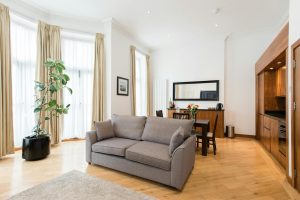
Designing Age in Place Homes for Long Term Comfort
As we age, our homes become more than just a place to live – they become a place of comfort, safety, and familiarity. This is why designing age in place homes has become increasingly popular. The concept of age in place refers to creating homes that are accessible and functional for people of all ages, allowing them to stay in their homes for as long as possible. In this article, we will explore the key factors to consider when designing age in place homes for long term comfort.
Creating a Safe and Accessible Environment
When designing an age in place home, the most important aspect to consider is safety. As we get older, our mobility and balance may decrease, making it crucial to have a safe living environment. This includes features such as non-slip flooring, grab bars in the bathroom, and wider doorways to accommodate mobility aids like wheelchairs or walkers. These simple modifications can significantly reduce the risk of falls and accidents, ensuring the long term comfort of the homeowner.
Another key element of age in place design is accessibility. This means creating a home that is easy to navigate for individuals with different physical abilities. One of the most effective ways to achieve this is by having everything on one level, including a bedroom and bathroom, to eliminate the need for stairs. In cases where stairs are necessary, having a sturdy handrail and proper lighting is essential. Additionally, door handles and faucets should be easy to operate, and countertops and cabinets should be at a comfortable height.
Flexibility and Adaptability for Changing Needs
Aging is a natural process, and as we age, our needs and abilities may change. Therefore, when designing an age in place home, it is crucial to incorporate flexibility and adaptability. This means incorporating features that can be easily modified to accommodate changing needs. For example, a room that may initially be used as a home office can be easily converted into a bedroom if the homeowner needs to downsize or have a live-in caregiver in the future.
In addition to flexible spaces, the use of universal design principles can also make a home more adaptable. Universal design refers to designing spaces that are usable and accessible for people of all ages and abilities. These features can include lever door handles, rocker light switches, and zero-step entryways. By incorporating universal design principles, age in place homes become more inclusive and easily adaptable for any future changes.
Integration of Smart Home Technology
The use of smart home technology has become increasingly popular in recent years, and it can greatly benefit age in place homes. With the help of voice-activated assistants, such as Amazon Echo or Google Home, individuals can control various aspects of their home, such as lighting, temperature, and security. This technology not only provides convenience but can also allow older adults to stay connected with family and friends, reducing feelings of isolation and loneliness.
In addition to voice-activated assistants, there are many other smart home devices that can enhance the comfort and safety of age in place homes. These include motion sensor lights, smart thermostats, and medication reminders. By incorporating these devices, homeowners can have greater control and peace of mind, knowing that their home is equipped to support their needs.
In Conclusion
In conclusion, designing age in place homes for long term comfort requires careful consideration of safety, accessibility, flexibility, and technology. By incorporating these elements into the design, homeowners can continue to live independently and comfortably in their own homes, regardless of their age or physical abilities. It is essential to remember that aging does not have to mean sacrificing comfort and independence – with proper design, age in place homes can provide the best of both worlds.