The Future of Urban Living: Density and Vertical Growth
In the past few decades, urban populations have grown rapidly, leading to increased demand for living spaces in cities. As a result, cities have had to adapt and find ways to accommodate more people within limited land resources. This has led to the rise of density and vertical growth as solutions to the growing urban population. In this article, we will explore the future of urban living and how density and vertical growth are shaping our cities.
Defining Density and Vertical Growth
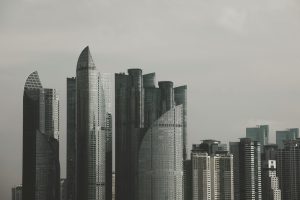
Before delving into the future of urban living, it’s essential to understand what density and vertical growth mean. Density refers to the number of people, buildings, or features in a given area. In an urban context, density is often associated with the number of people living in a specific neighborhood or a given piece of land. On the other hand, vertical growth refers to the construction of taller buildings to accommodate more people within a limited land area.
The Benefits of Density and Vertical Growth
1. Efficient Land Use
One of the main advantages of density and vertical growth is efficient land use. By building tall buildings and packing more people within a smaller space, cities can accommodate a higher population without encroaching on surrounding areas. This helps to conserve natural resources and preserve open spaces, which are essential for the well-being of urban residents.
2. Reduced Commute Times
Density and vertical growth also help to reduce commute times for city dwellers. With more people living near their workplaces, there is less need for long commutes, which can be time-consuming and stressful. This also reduces traffic congestion and improves air quality, making cities more livable.
3. Vibrant and Diverse Communities
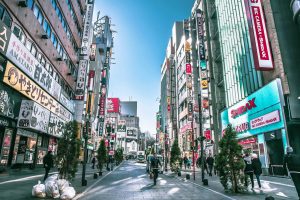
High-density neighborhoods often have a mix of residential, commercial, and recreational spaces, creating vibrant and diverse communities. This allows for the integration of different cultures, backgrounds, and socioeconomic groups, fostering a sense of inclusivity and social interaction.
4. Economic Benefits
The concentration of people, businesses, and economic activities in dense urban areas can lead to significant economic benefits. High-density neighborhoods create job opportunities, attract investments, and contribute to the growth and development of cities.
The Challenges of Density and Vertical Growth
1. Lack of Green Spaces
Living in high-density areas often means sacrificing access to green spaces. As cities become more dense, there is less room for parks, playgrounds, and other recreational areas. This can have a negative impact on the physical and mental well-being of urban residents.
2. Strains on Infrastructure
The increase in population and buildings within a limited area puts a strain on existing infrastructure systems such as water, sewage, and transportation. This can lead to overcrowding, pollution, and other environmental and health issues if not managed properly.
3. Social Isolation
Although density and vertical growth promote social interaction, they can also lead to social isolation. High-rise buildings can feel impersonal and lacking in community spirit, especially for those living in smaller apartments with limited outdoor spaces.
The Future of Urban Living: Balancing Density and Quality of Life
The future of urban living will continue to be shaped by density and vertical growth. As cities strive to accommodate growing populations, it’s essential to strike a balance between density and quality of life. This can be achieved through careful planning, incorporating green spaces and amenities, and investing in sustainable infrastructure.
Innovations such as green roofs, vertical gardens, and eco-friendly buildings can help mitigate the challenges of density and vertical growth and create more livable cities. Also, the use of technology in urban planning can help create more efficient and sustainable solutions.
In Conclusion
Density and vertical growth are crucial components of the future of urban living. By maximizing land use and accommodating more people within limited spaces, cities can continue to grow and thrive. However, it’s essential to address the challenges of density and vertical growth and strive for a balance between livability and efficient land use to create sustainable and inclusive cities.